
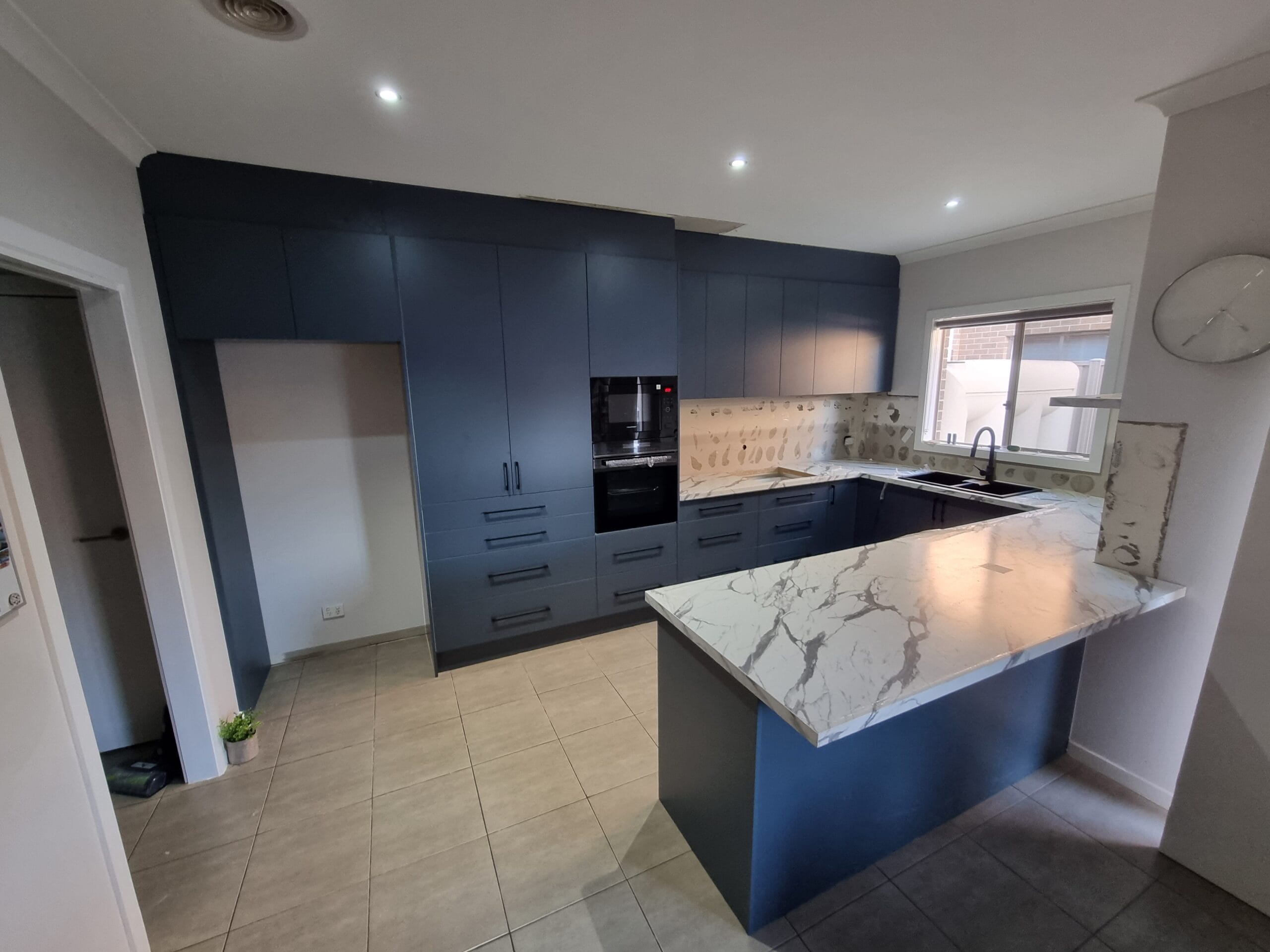
The Quickest Answer: How to Order Custom Kitchen Cabinets
Knowing how to order custom kitchen cabinets comes down to five core steps: set your budget, measure your space accurately, choose your materials and style, work with a qualified cabinet maker, and confirm your order details before production begins. Follow this process and you’ll avoid the most common — and costly — mistakes Melbourne homeowners make.
Why Custom Kitchen Cabinets Are Worth the Investment
Off-the-shelf flat-pack cabinets might seem like a bargain upfront, but they rarely account for the quirks of your actual kitchen. Melbourne homes — particularly older weatherboard properties and newer builds in the northern suburbs — often have non-standard wall lengths, awkward corners, or limited ceiling clearance that standard sizes simply can’t accommodate.
Custom cabinetry is designed and built specifically for your space, giving you precise fitment, better use of every centimetre, and finishes that genuinely reflect your style. Over the long term, quality custom cabinets also add measurable value to your property.
Step 1 — Set a Realistic Budget Before You Do Anything Else
Before you browse door profiles or benchtop materials, lock in a clear budget range. Custom kitchen cabinets in Melbourne typically range from around $10,000 for a modest galley kitchen through to $40,000 or more for a large, fully appointed space with premium finishes. Your budget will guide every decision that follows.
Factor in not just the cabinets themselves but also installation labour, any required electrical or plumbing modifications, and the cost of handles, hinges, and soft-close drawer systems. A 10–15% contingency buffer is always a sensible idea.
Step 2 — Measure Your Kitchen Space Accurately
Accurate measurements are the foundation of a successful cabinet order. Errors at this stage can mean costly remakes and significant delays. Here’s what you need to measure:
- Overall wall lengths (floor to ceiling and wall to wall)
- Window and door positions, including frames and architraves
- The location of power points, light switches, and data outlets
- Plumbing rough-in positions for your sink and dishwasher
- Ceiling height variations — particularly common in Melbourne’s period homes
- Any soffits, bulkheads, or structural columns that limit cabinet depth or height
If you’re not confident with a tape measure and a detailed floor plan, most cabinet makers will conduct a professional measure-and-quote as part of their consultation process — and it’s well worth taking them up on it.
Step 3 — Choose Your Materials, Finishes, and Layout
This is where the real decision-making happens. You’ll need to select a cabinet carcass material (typically moisture-resistant particleboard or plywood), a door style (from flat-panel Shaker profiles to handleless polyurethane), and a benchtop material such as engineered stone, laminate, or timber veneer.
Think carefully about your kitchen’s workflow as well. The classic work triangle — connecting the cooktop, sink, and refrigerator — remains a reliable guide for functional layout planning. Consider whether you want overhead wall cabinets, open shelving, a pantry tower, or a combination of all three. Your cabinet maker can help you visualise options through detailed CAD drawings before anything is manufactured.
If you’re also updating other areas of your home at the same time, it’s worth exploring options like the expert cabinet makers in Craigieburn who can handle multiple joinery projects under one roof.
Step 4 — Get Detailed Quotes and Compare Them Properly
Obtain at least two or three written quotes from reputable local cabinet makers. A quality quote should itemise every component — carcass material and thickness, door style and finish, hardware brand, installation, and any warranty terms. Vague, lump-sum quotes make it very difficult to compare value accurately.
Ask each cabinet maker about their lead times. In 2026, Melbourne’s busy renovation market means quality custom cabinetry can take anywhere from four to ten weeks from order confirmation to installation. Plan your project timeline around this reality.
Under Australian Consumer Law, you’re entitled to clear written agreements before work begins. For guidance on your rights as a consumer in home improvement projects, the Consumer Affairs Victoria website is a reliable reference point.
Step 5 — Confirm Every Detail Before Signing Off
Once you’ve selected your cabinet maker and agreed on a design, review every element of the final order documentation before signing. Check door colours against physical samples (not just digital renders), confirm handle and hinge specifications, and verify that all measurements on the shop drawings match your own notes.
This is also the time to discuss the installation process — how many days it will take, whether you’ll need to vacate the kitchen, and how any rubbish and off-cuts will be managed. A professional cabinet maker will walk you through all of this clearly.
For homeowners across Melbourne’s northern corridor, the team at cabinet makers in Epping are experienced in guiding clients through exactly this process from first consultation to final installation.
When to Call a Professional
If your kitchen involves load-bearing wall removal, complex plumbing relocations, or you simply want the confidence of a fully managed project, working with a professional cabinet maker from the start is the right call. Attempting to manage a custom kitchen order without trade experience often leads to specification errors, supplier miscommunications, and expensive corrections.
Perfect Kitchen & Robes specialises in custom kitchen cabinetry across Melbourne and the northern suburbs. Whether you’re starting from scratch or renovating an existing kitchen, their team handles design, manufacture, and installation — giving you a seamless experience from first measure to final fit-out. Contact Perfect Kitchen & Robes today to book your obligation-free consultation.
Conclusion
Understanding how to order custom kitchen cabinets means taking it one step at a time: budget first, then measure, then design, then compare quotes, then confirm every detail before production starts. Rushing any of these stages is where projects go wrong and costs blow out.
Melbourne homeowners who invest time in the planning process consistently end up with kitchens that are more functional, more beautiful, and better suited to the way they actually live. If you’d like expert guidance through every stage, reach out to the experienced cabinet makers in Thomastown and surrounding suburbs who can bring your vision to life.
Frequently Asked Questions
How long does it take to order and install custom kitchen cabinets in Melbourne?
From initial consultation to completed installation, most custom kitchen cabinet projects in Melbourne take between six and twelve weeks. This includes design and approval (one to two weeks), manufacturing (four to eight weeks), and installation (typically two to five days depending on kitchen size and complexity).
What is the difference between custom and semi-custom kitchen cabinets?
Custom cabinets are built entirely to your specifications — any size, any finish, any configuration. Semi-custom cabinets use pre-set sizes and styles but allow some modifications, such as different door profiles or finishes. For kitchens with non-standard dimensions or specific design requirements, fully custom is nearly always the better choice.
Do I need council approval to replace my kitchen cabinets in Melbourne?
In most cases, replacing kitchen cabinets is considered a cosmetic renovation and does not require a building permit in Victoria. However, if your project involves moving or adding plumbing, altering electrical wiring, or removing walls, you may need to engage licensed tradespeople and obtain relevant permits. Always check with your local council if you’re unsure.
What materials are best for kitchen cabinet carcasses in Melbourne’s climate?
Moisture-resistant (MR) particleboard and structural plywood are the most commonly used carcass materials in Melbourne kitchens. Both handle the city’s variable humidity reasonably well. Plywood is generally considered more durable and better at holding screws over time, making it a preferred choice in high-use kitchens or properties close to Melbourne’s bayside areas where humidity levels can be higher.