
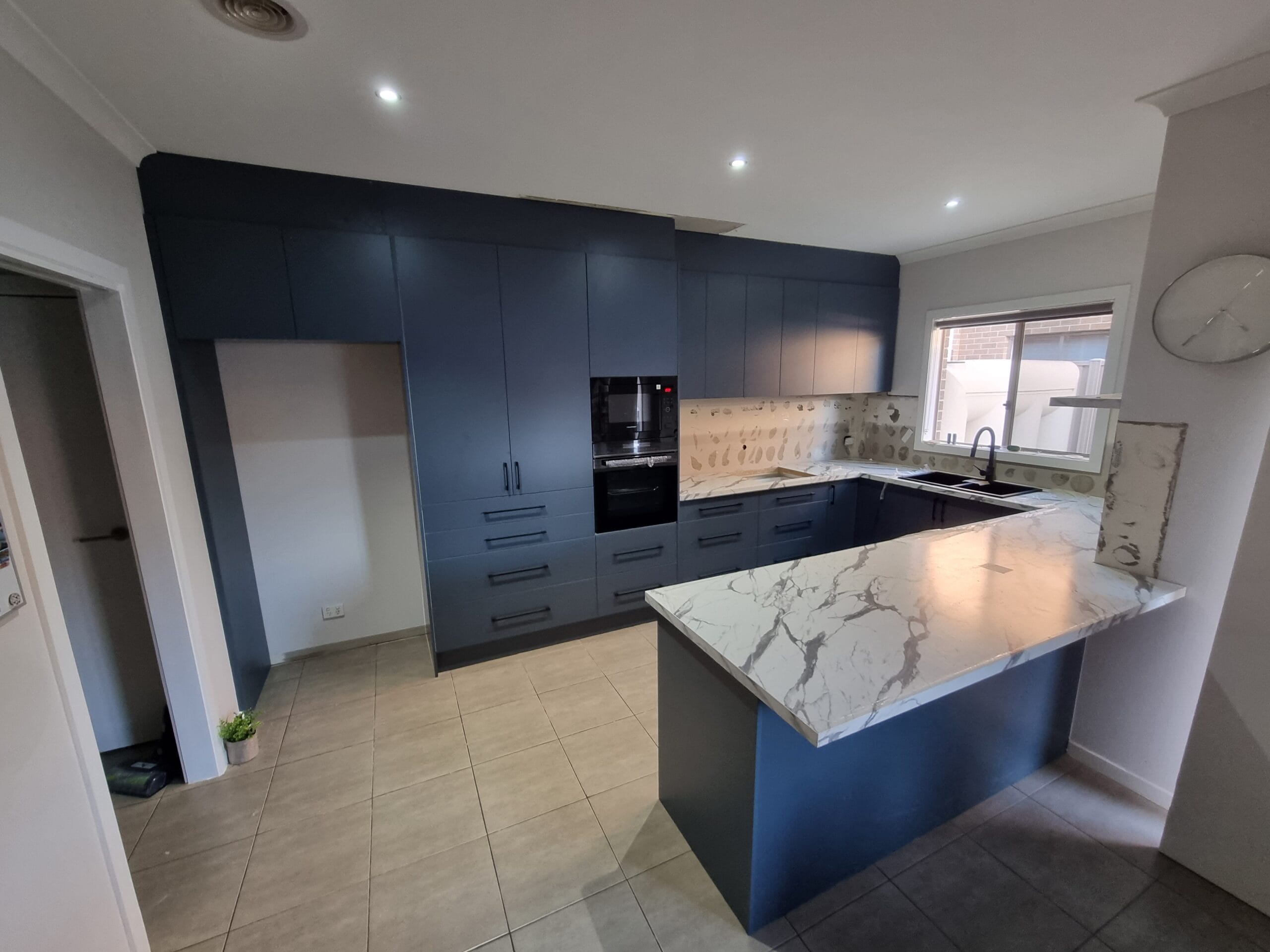
What Does It Actually Mean to Design Custom Kitchen Cabinets?
If you’re wondering how to design custom kitchen cabinets, here’s the short answer: it’s a structured process of measuring your space, choosing materials and layouts, planning storage around your lifestyle, and working with a skilled cabinet maker to bring it all together. Done right, it transforms your kitchen into a space that’s both beautiful and genuinely functional.
Unlike flat-pack options from a big-box retailer, custom cabinetry is built specifically for your home. Every millimetre is accounted for, every drawer and shelf is placed with purpose, and the finished result fits your kitchen — not a generic floor plan.
Step 1: Measure Your Kitchen Space Accurately
Before you sketch a single layout idea, you need precise measurements. Grab a tape measure and record the width, height, and depth of every wall where cabinets will sit. Note the position of windows, doors, power points, and plumbing — these all affect where cabinets can and can’t go.
Melbourne homes, particularly older Victorian and Edwardian terraces, often have uneven walls and non-standard ceiling heights. Don’t assume your walls are perfectly square. A professional cabinet maker will take their own measurements before fabrication, but having your own figures gives you a solid starting point for planning.
Step 2: Define Your Layout and the Kitchen Work Triangle
Your kitchen layout determines how efficiently you move through the space. The classic “work triangle” — connecting your cooktop, sink, and refrigerator — remains one of the most practical frameworks for kitchen design. Each leg of the triangle should ideally be between 1.2 and 2.7 metres to minimise unnecessary movement.
Common layout options include:
- L-shaped: Ideal for open-plan living areas common in newer Melbourne builds
- U-shaped: Maximises bench space and storage, great for larger kitchens
- Galley: Suits narrow kitchens in inner-city apartments or older homes
- Island bench: Adds prep space and a social hub — a popular choice in family homes
- Single wall: Best for compact spaces where every centimetre counts
Think about how you actually use your kitchen day-to-day. Do you cook elaborate meals or mostly reheat? Do you need a breakfast bar? Is bench space or storage your priority?
Step 3: Choose Your Cabinet Materials and Finishes
Material selection is where your kitchen really starts to take shape. The two most common carcass (cabinet box) materials in Australia are moisture-resistant particleboard and plywood. Plywood is generally more durable and better suited to high-humidity areas like kitchens, though it does come at a higher price point.
For door and drawer fronts, you have several finish options:
- Polyurethane (PU): A smooth, durable finish available in hundreds of colours — hugely popular in Melbourne kitchens right now
- Timber veneer: Adds warmth and a natural aesthetic, suits Hamptons and contemporary styles
- Laminate: Cost-effective and hard-wearing, with a wide range of colours and textures
- Two-pac paint: A premium, high-gloss or matte option for a sleek, modern look
Consider Melbourne’s variable climate when choosing finishes — humidity from wet winters can affect certain materials over time, so always ask your cabinet maker about moisture resistance ratings.
How to Design Custom Kitchen Cabinets Around Your Storage Needs
Storage planning is one of the most overlooked parts of the design process. Think beyond basic shelves and consider how you actually store and access your items. Pull-out pantry systems, deep drawer organisers, corner carousel units, and integrated bin drawers all make daily life significantly easier.
Overhead cabinetry height is another consideration. Standard upper cabinets sit around 900mm above the benchtop, but you can raise or lower this to suit your ceiling height and personal reach. If you have high ceilings — common in period Melbourne homes — consider extending cabinets to the ceiling for a clean, built-in look and maximum storage.
If you’re also planning storage solutions elsewhere in your home, the team at Perfect Kitchen & Robes can help — they specialise in custom cabinetry across Melbourne’s northern suburbs including Epping, covering everything from kitchens to built-in wardrobes.
Step 4: Plan Your Hardware, Handles, and Internal Fittings
Hardware choices — hinges, drawer runners, handles, and soft-close mechanisms — have a bigger impact on your kitchen’s look and feel than most people expect. Soft-close hinges and undermount drawer runners are now considered standard in quality custom cabinetry and are well worth including in your budget.
Handle styles range from sleek integrated finger pulls to statement brushed brass or matte black bar handles. Choose hardware that complements your overall design aesthetic and is easy to grip — particularly important if you have young children or elderly family members at home.
You can explore the full range of custom joinery options at Perfect Kitchen & Robes to get a sense of what’s possible across different styles and budgets.
Step 5: Set a Realistic Budget
Custom kitchen cabinets in Melbourne typically range from $15,000 to $45,000 or more, depending on the size of your kitchen, materials chosen, and complexity of the design. This is a significant investment, but it adds real value to your home and outlasts flat-pack alternatives by many years.
Be upfront with your cabinet maker about your budget from the start. A good professional will help you prioritise where to spend and where to save — for example, using laminate on less visible areas while investing in a premium finish for the island bench.
When to Call a Professional
While planning your layout and choosing finishes are tasks you can tackle yourself, the actual design, fabrication, and installation of custom kitchen cabinets should always be handled by a licensed, experienced cabinet maker. Incorrect measurements, poor material selection, or improper installation can lead to costly problems down the track — warped doors, sagging shelves, or cabinets that simply don’t fit.
If you’re ready to move forward, the experienced team at Perfect Kitchen & Robes serves homeowners across Melbourne’s northern suburbs and beyond. Contact them today to book a consultation and get a detailed quote tailored to your kitchen and your budget.
Conclusion
Knowing how to design custom kitchen cabinets comes down to five key steps: accurate measurement, smart layout planning, careful material selection, thoughtful storage design, and realistic budgeting. Each decision builds on the last, so taking your time through the process pays off enormously in the final result.
A custom kitchen is one of the best investments you can make in your Melbourne home — in daily liveability, in aesthetics, and in long-term property value. Whether you’re renovating a period terrace in the inner north or building new in the outer suburbs, start with a clear plan and the right professional by your side. Reach out to Perfect Kitchen & Robes today to get your project started.
Frequently Asked Questions
How long does it take to design and install custom kitchen cabinets in Melbourne?
The timeline varies depending on the complexity of your kitchen and the cabinet maker’s schedule, but most custom kitchen projects take between 6 and 12 weeks from the initial design consultation through to final installation. Allowing extra time for planning at the start helps avoid delays during fabrication.
Do I need council approval for a kitchen renovation in Melbourne?
In most cases, replacing or installing kitchen cabinets does not require a building permit in Victoria, as it falls under standard renovation work. However, if your renovation involves structural changes, moving plumbing, or altering electrical wiring, you may need to engage licensed tradespeople and obtain relevant permits. Always check with your local council or refer to the Victorian Building Authority for current requirements.
What’s the difference between custom and semi-custom kitchen cabinets?
Custom cabinets are built entirely to your specifications — any size, any material, any configuration. Semi-custom cabinets offer some flexibility within a set range of sizes and finishes, while flat-pack or stock cabinets come in fixed dimensions with no modifications. Custom is the most expensive option but offers the best fit, quality, and longevity.
Can I design my kitchen cabinets myself before meeting with a cabinet maker?
Absolutely — and it’s encouraged. Having a rough sketch, a list of your storage priorities, and some inspiration images ready before your first consultation will save time and help your cabinet maker understand your vision quickly. Free tools like graph paper or basic room planning apps can help you visualise different layouts before committing to anything.