
What You Need to Know Before You Start
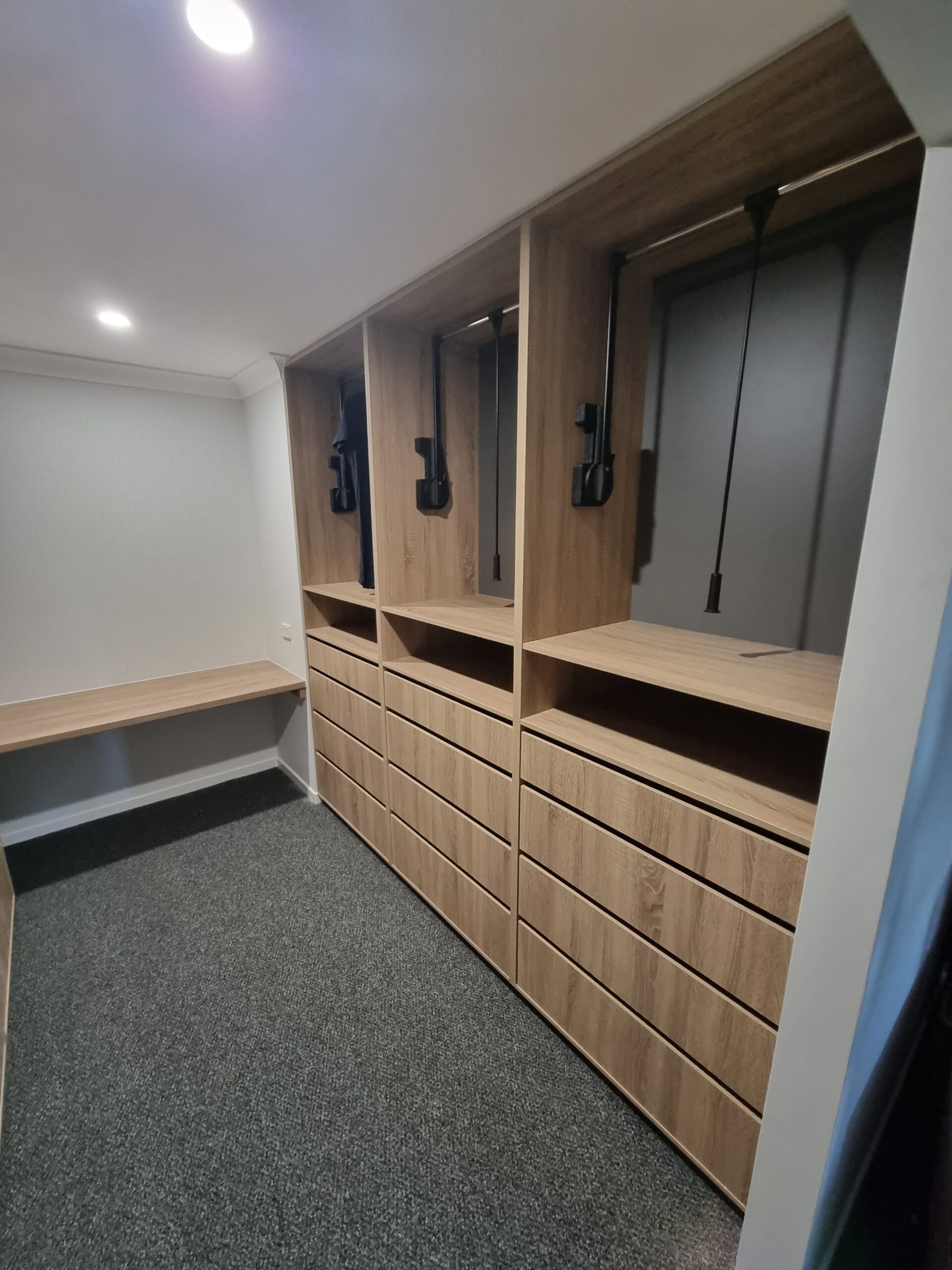
Knowing how to build a built in wardrobe can save you thousands of dollars and dramatically improve your bedroom’s storage and style. In short, a built in wardrobe is constructed by framing a dedicated wall recess or alcove, installing a carcass (the main box structure), then fitting internal components like shelves, hanging rails, and drawers to suit your needs.
Melbourne homes — from period terraces in the inner suburbs to new builds in the outer north — often lack adequate built-in storage. Whether you’re tackling a master bedroom upgrade or a kids’ room renovation, this guide walks you through the entire process with practical, honest advice.
Planning Your Built In Wardrobe: Measure Twice, Cut Once
Good planning is everything. Before you pick up a single tool, spend time measuring your space carefully and sketching out your design. Note the ceiling height, wall width, and any obstacles like power points, light switches, or cornices that could affect your build.
Consider how you actually use your wardrobe. Do you need more hanging space for dresses and suits, or do you prefer shelving for folded items and shoes? A well-thought-out internal layout makes your wardrobe far more functional day to day.
Key measurements to record before you begin:
- Total width of the alcove or wall space (floor to ceiling)
- Ceiling height (Melbourne homes vary significantly — older homes often have higher ceilings)
- Depth available (standard built in wardrobes are typically 580–600 mm deep)
- Location of any wall studs (use a stud finder for accurate fixing points)
- Door swing clearance or sliding door track space
Choosing the Right Materials for Melbourne’s Climate
Melbourne’s four-seasons-in-one-day climate means humidity and temperature fluctuations are real considerations when selecting materials. Moisture-resistant board (MR board) is a smart choice for bedrooms that may experience condensation, particularly in older homes with limited insulation.
Melamine-faced particleboard is the most common and cost-effective carcass material for DIY built in wardrobes. It’s easy to work with, comes in a wide range of colours and finishes, and is widely available at Melbourne hardware stores. If you want a more premium finish, consider moisture-resistant MDF or even solid timber for feature elements like face frames.
For door options, you’ll typically choose between hinged doors, bi-fold doors, or sliding doors. Sliding doors are popular in Melbourne bedrooms where floor space is at a premium, as they don’t require clearance to open.
How to Build a Built In Wardrobe: Step-by-Step
Once your planning is complete and your materials are on hand, you’re ready to build. Follow these steps carefully and take your time — rushing is where most DIY mistakes happen.
- Mark your frame: Use a spirit level and pencil to mark the position of your top, bottom, and side panels on the walls and floor. Ensure everything is plumb and square.
- Install the base: Fix a timber or MDF base plate to the floor if you’re building a raised-floor wardrobe, or work directly off the floor for a floor-to-ceiling design.
- Fix the side panels: Secure your side panels (also called end panels) to the wall studs using appropriate fixings. In brick or double-brick walls — common in Melbourne’s established suburbs — you’ll need masonry anchors and a hammer drill.
- Attach the top panel: Fix the top panel between your side panels, ensuring it’s level. This forms the top of your carcass.
- Install internal components: Fit your shelf pins, adjustable shelves, hanging rails, and any drawer units. Plan your rail heights based on your clothing — a standard single hanging rail sits around 1800 mm from the floor, while double hanging sections use rails at approximately 900 mm and 1800 mm.
- Fit the face frame or door tracks: If using sliding doors, install the top and bottom tracks according to the manufacturer’s specifications. For hinged doors, attach your face frame and hang doors using concealed hinges.
- Finish and touch up: Fill any screw holes with matching colour filler, apply edge banding to any exposed board edges, and touch up with paint or finish as needed.
If you’re in Melbourne’s northern suburbs and looking for inspiration on layouts and finishes, browse the built in wardrobes Craigieburn page for real examples of completed projects.
Internal Layout Tips to Maximise Your Storage
The internal configuration of your wardrobe is just as important as the carcass itself. Think about who will be using the wardrobe and tailor the layout accordingly. A mix of long hanging space, short hanging space, adjustable shelves, and at least one set of drawers works well for most adults.
Shoe storage is often an afterthought, but a dedicated angled shoe shelf or pull-out shoe rack can make a huge difference. For kids’ rooms, prioritise adjustable shelves that can be reconfigured as they grow.
You can also explore custom wardrobe options in Craigieburn if you want a fully tailored internal layout designed around your specific storage needs.
When to Call a Professional
DIY built in wardrobes are absolutely achievable for confident home renovators, but there are situations where calling in a professional cabinetmaker is the smarter move. If your space has out-of-square walls (very common in Melbourne’s older homes), complex angles, or requires structural changes, a professional will save you time, money, and frustration.
Similarly, if you want a high-end finish with custom doors, soft-close hardware, integrated lighting, or premium materials like two-pack paint or timber veneer, the result from a skilled cabinetmaker will far exceed what’s achievable with off-the-shelf components.
The team at Perfect Kitchen & Robes specialises in custom built in wardrobes across Melbourne’s northern suburbs, including areas like Reservoir, Epping, and Thomastown. Get in touch for an obligation-free measure and quote — you might be surprised how affordable a professionally built wardrobe can be.
Conclusion
Learning how to build a built in wardrobe is a rewarding project that adds real value and functionality to your Melbourne home. With careful planning, the right materials, and a methodical approach, a DIY built in wardrobe is well within reach for most handy homeowners.
Take your time with measurements, choose moisture-resistant materials suited to Melbourne’s climate, and don’t skip the internal layout planning — that’s where your wardrobe will truly work for you. And if the project grows beyond your comfort zone, Perfect Kitchen & Robes is ready to help with expert craftsmanship and a personalised service. Reach out today to get your wardrobe project started.
Frequently Asked Questions
How much does it cost to build a built in wardrobe yourself in Melbourne?
A basic DIY built in wardrobe in Melbourne can cost anywhere from $500 to $2,000 in materials, depending on the size, materials chosen, and internal fittings. Sliding door hardware and premium finishes will push costs higher. A professionally built custom wardrobe typically starts from around $2,500 and up, depending on complexity and size.
Do I need a building permit to install a built in wardrobe in Victoria?
In most cases, installing a built in wardrobe in an existing room does not require a building permit in Victoria, as it is considered a non-structural interior fitout. However, if you are altering walls or making structural changes, you should check with your local council or refer to the Victorian Building Authority guidelines to confirm requirements for your specific situation.
What is the standard depth for a built in wardrobe?
The standard internal depth for a built in wardrobe is 580–600 mm. This allows enough room for clothes on a hanging rail without garments pressing against the back wall or door. If space is limited, a shallower wardrobe of around 450 mm can work well for shelving and folded items, though it won’t accommodate standard hanging rails comfortably.
Can I build a built in wardrobe in a rental property in Melbourne?
Installing a built in wardrobe in a rental property requires written consent from your landlord or property manager. Under the Residential Tenancies Act 1997 (Victoria), tenants can make certain modifications with landlord approval, but permanent structural additions like built in wardrobes would typically require a formal agreement. Always get consent in writing before starting any work.