
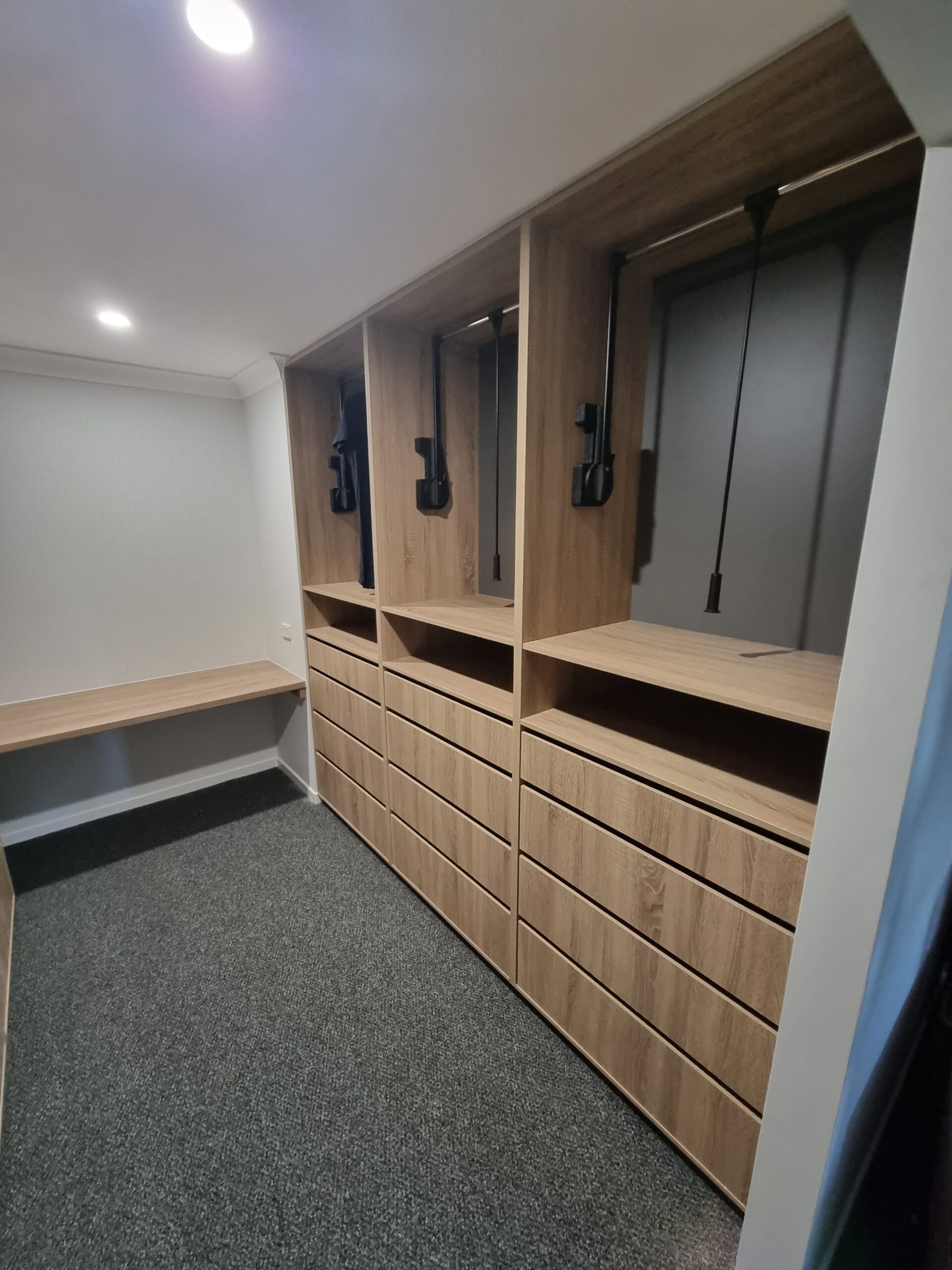
What You Need to Know Before You Start
Wondering how to build a built in wardrobe closet that actually works for your home? The short answer: plan your space carefully, choose the right materials, build a sturdy frame, then fit your shelving, hanging rails, and doors. Done well, a built-in wardrobe adds serious storage and real value to any Melbourne home.
Melbourne homes — from Federation-era cottages in the inner north to modern townhouses in the outer suburbs — rarely come with enough built-in storage. A custom wardrobe is one of the most practical upgrades you can make, and with the right approach, a competent DIYer can tackle a straightforward installation themselves.
Planning Your Built In Wardrobe: Measure Twice, Cut Once
Before you pick up a single tool, spend time measuring your alcove or wall space thoroughly. Note the width, height, and depth — Melbourne’s older homes in particular can have walls that are far from square, so check for plumb and level at multiple points.
Think about how you actually use your wardrobe. Do you need more hanging space for suits and dresses, or a mix of shelving and drawers for folded items? Sketch out a rough layout on paper, allocating zones for long hang, short hang, shelves, and any accessories like pull-out baskets or shoe racks.
- Standard hanging height (long): Allow at least 1,800 mm for full-length garments.
- Standard hanging height (short): Around 1,000–1,100 mm for shirts, jackets, and folded trousers.
- Shelf depth: 450–500 mm is ideal for most folded clothing.
- Drawer height: 150–200 mm per drawer works well for most items.
- Minimum wardrobe depth: 580–600 mm to accommodate coat hangers comfortably.
Check whether your walls are plasterboard over timber studs or brick — this affects how you’ll fix the frame. In many Melbourne homes, you’ll be dealing with plasterboard, so locating studs with a stud finder before you start is essential.
Choosing Materials for Your Wardrobe Build
Most DIY and professional built-in wardrobes use 16 mm or 18 mm moisture-resistant (MR) particleboard or MDF for carcass construction. MR board is a smart choice for Melbourne’s variable climate, where humidity can fluctuate between dry summers and damp winters.
For doors, you have several options: flat-panel MDF doors are cost-effective and easy to paint, while melamine-coated boards offer a clean, low-maintenance finish. Sliding doors save floor space in tighter bedrooms, whereas hinged doors give you full, unobstructed access to the interior.
If you’re after a premium look, consider a custom wardrobe finish with soft-close hinges and integrated handles — it makes a noticeable difference to the final result.
How to Build a Built In Wardrobe Closet: Step-by-Step
Once your plan is finalised and materials are cut to size (most hardware stores will cut sheet material for you), follow these steps for a clean, professional result.
- Install the base frame: Fix a 70 × 35 mm timber frame to the floor and side walls to create a level base for your carcass panels.
- Fit the side panels: Stand your side panels vertically and secure them to the wall studs using appropriate fixings. Use a spirit level to confirm they’re plumb.
- Add the top panel: Fix the top panel across the side panels and into the wall for rigidity. This is especially important for taller wardrobes.
- Install internal shelving and dividers: Use shelf pins for adjustable shelves, or dadoes for fixed shelves. Ensure all horizontal components are level.
- Fit hanging rails: Use solid aluminium or steel rails rated for the load you expect. Fix rail brackets to side panels and internal dividers at the correct height.
- Attach doors: Hang hinged doors using concealed hinges, or install a sliding door track system. Check alignment and adjust hinges as needed.
- Finish and paint: Fill screw holes with wood filler, sand smooth, then apply your chosen paint or finish. A semi-gloss or satin finish is easiest to wipe clean.
For homes in Melbourne’s northern suburbs, the team at Perfect Kitchen & Robes serving Thomastown sees a wide range of alcove sizes and configurations — so there’s rarely a one-size-fits-all solution.
Common Mistakes to Avoid
Skipping the planning phase is the most costly error. Cutting panels before confirming your measurements are accurate — especially in older homes with uneven walls — leads to wasted materials and frustrating gaps.
Don’t underestimate the importance of fixing into studs or using proper wall anchors. A wardrobe loaded with clothes is surprisingly heavy, and inadequately fixed panels can pull away from the wall over time. Always use fixings rated for the substrate you’re working with.
If you’re unsure about any structural or load-bearing elements, it’s worth reviewing the relevant sections of the National Construction Code or consulting a qualified tradesperson before proceeding.
When to Call a Professional
Some wardrobe projects are genuinely within reach of a confident DIYer. But if your space involves awkward angles, high ceilings, complex internal configurations, or you simply want a flawless finish that adds real value to your property, calling in a professional cabinet maker is the smarter move.
A professional will handle precise cutting, fitting to out-of-square walls, and finishing to a standard that’s difficult to replicate without specialist tools and experience. If you’re in Melbourne’s northern suburbs and want expert advice on your wardrobe project, Perfect Kitchen & Robes offers consultations and custom solutions tailored to your space and budget. Get in touch today to discuss your project.
Conclusion
Learning how to build a built in wardrobe closet is a rewarding project that can transform your bedroom storage and lift the feel of your entire home. The key takeaways: measure carefully, choose moisture-resistant materials suited to Melbourne’s climate, build a solid frame fixed properly to your walls, and plan your internal layout around how you actually live.
Whether you take the DIY path or bring in a skilled cabinet maker, the result is a wardrobe that fits your space perfectly — not a generic flat-pack that almost fits. If you’d like professional help designing and installing a built-in wardrobe anywhere in Melbourne’s north, reach out to Perfect Kitchen & Robes for a no-obligation quote.
Frequently Asked Questions
How much does it cost to build a built in wardrobe in Melbourne?
Costs vary widely depending on size, materials, and complexity. A basic DIY built-in wardrobe might cost $500–$1,500 in materials, while a professionally installed custom wardrobe typically ranges from $2,000 to $6,000 or more depending on finishes, door style, and internal fittings.
Do I need a building permit to install a built in wardrobe in Victoria?
In most cases, installing a built-in wardrobe in an existing room does not require a building permit in Victoria, as it’s considered non-structural cabinetry. However, if the work involves structural changes to walls or the building envelope, you should check with your local council or a registered building practitioner.
What is the best material to use for a DIY built in wardrobe?
Moisture-resistant (MR) particleboard or MDF in 16 mm or 18 mm thickness is the most popular choice for DIY wardrobe carcasses in Australia. It’s cost-effective, easy to work with, and holds fixings well. Melamine-coated board is a great option for a clean, durable internal finish that doesn’t require painting.
How deep should a built in wardrobe be?
A minimum internal depth of 580–600 mm is recommended to allow coat hangers to sit comfortably without pressing against the back wall. If space allows, 620–650 mm gives a little more room and makes the wardrobe feel less cramped when fully loaded. For more about what we do, visit our homepage.