
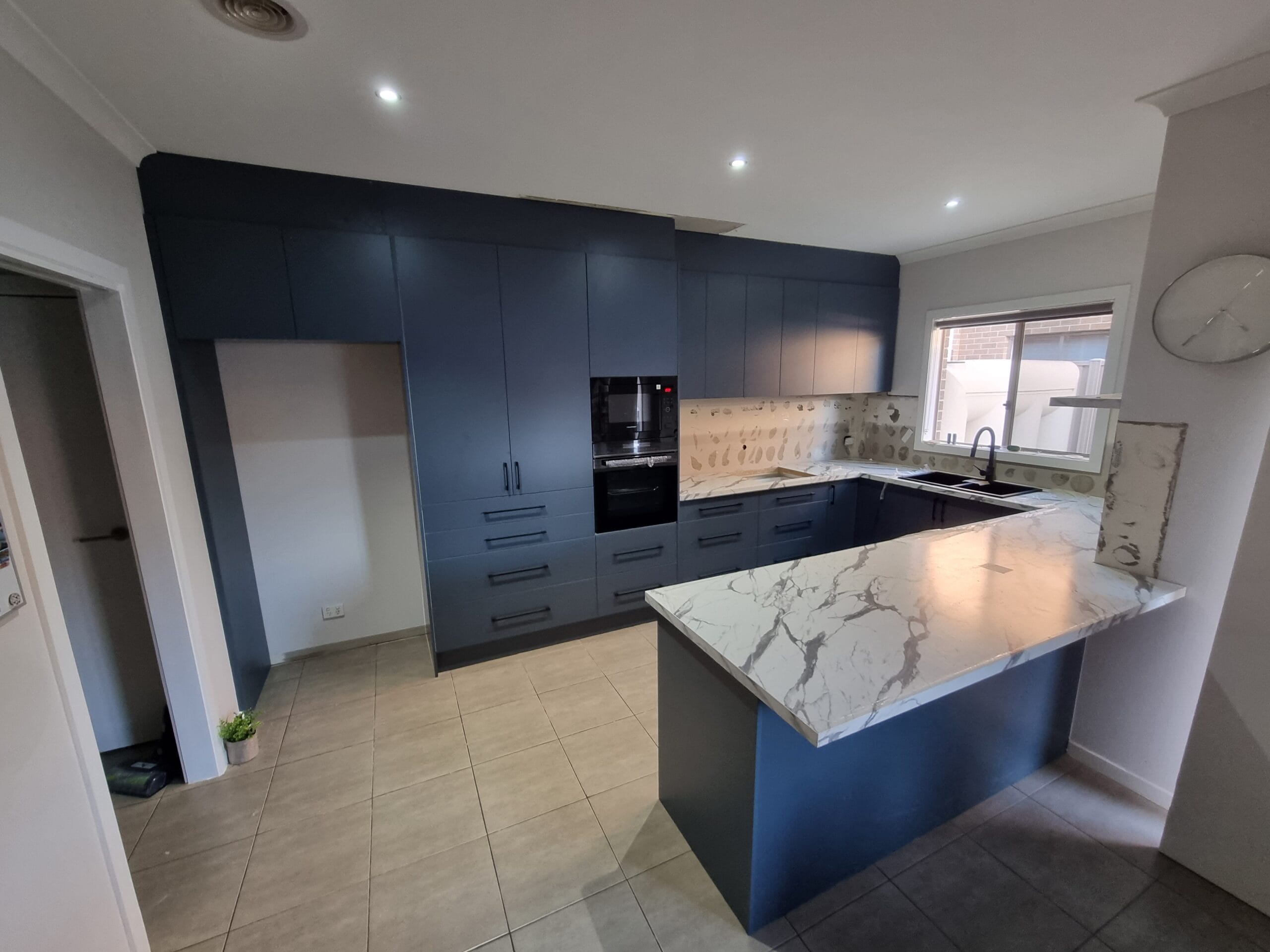
What You Need to Know Before You Start
Knowing how to build custom kitchen cabinets means understanding that it’s a project combining precise measurements, quality materials, and careful joinery — all before a single door is hung. In short, success comes down to thorough planning, the right tools, and realistic expectations about your skill level. Get these three things right, and you’ll end up with a kitchen that genuinely reflects your home and lifestyle.
Melbourne homes vary enormously — from compact inner-city terraces in Fitzroy to sprawling new builds in the northern suburbs. That variety means off-the-shelf flat-pack cabinets often fall short. Custom cabinetry lets you maximise every centimetre of your kitchen layout, work around unusual walls or soffits, and choose finishes that suit your personal style.
Tools and Materials You’ll Need
Before you cut a single sheet of board, make sure your workspace and toolkit are properly set up. Rushing this stage is one of the most common reasons DIY cabinet projects stall halfway through.
Here’s what you’ll need to get started:
- Measuring tape, spirit level, and square — accuracy is everything in cabinet making
- Circular saw or table saw — for breaking down full sheets of MDF or plywood
- Router — for dadoes, rebates, and edge detailing
- Pocket hole jig — a game-changer for strong, clean carcass joins
- Clamps (lots of them) — you can never have too many during assembly
- 18mm moisture-resistant MDF or plywood — the standard for cabinet carcasses in Australian kitchens
- Concealed hinges and drawer runners — look for soft-close mechanisms for a quality finish
- Edge banding — iron-on PVC or timber veneer to finish exposed edges cleanly
For bench tops, you’ll typically choose from laminate, stone, or timber — each with different weight and fixing requirements that affect how your upper and lower cabinets need to be built and anchored.
How to Build Custom Kitchen Cabinets: Step-by-Step
This is the core of the process. Follow these stages in order and you’ll avoid the most common structural and aesthetic mistakes.
Step 1 — Measure and Plan Your Layout
Start by drawing a scaled floor plan of your kitchen. Measure the width, height, and depth of every wall run, noting the positions of windows, doors, power points, and plumbing rough-ins. In Melbourne’s older homes especially, walls are rarely perfectly square or plumb, so check with your spirit level before assuming anything is straight.
Decide on your cabinet heights — standard base cabinets sit at 870mm before the bench top, and wall cabinets typically start at 450mm above the bench. You can adjust these dimensions to suit your height and workflow preferences, which is one of the great advantages of going custom.
Step 2 — Cut Your Carcass Panels
Once your measurements are locked in, create a cut list for every panel: sides, tops, bottoms, backs, and any internal shelves or dividers. Have your sheet material cut at the hardware store if you don’t have a full table saw setup — most Melbourne trade suppliers offer a cut-to-size service that saves time and improves accuracy.
Label every panel as you go. It sounds basic, but keeping track of which panel belongs to which cabinet box will save you enormous frustration during assembly.
Step 3 — Assemble the Carcasses
Use your pocket hole jig to drill joining holes, then assemble each box with glue and screws. Check for square by measuring diagonally corner to corner — both measurements should be identical. Clamp and allow to set before moving on.
Attach the back panel last. A 6mm or 9mm sheet glued and nailed into a rebate adds rigidity and keeps everything square once it’s in place.
Step 4 — Install the Cabinets
Fix a level ledger board to the wall at the height of your base cabinet tops — this gives you a reference line for the entire installation. Secure base cabinets to wall studs using appropriate fixings, shimming as needed to compensate for uneven floors. Wall cabinets should always be fixed into studs or masonry anchors, never just plasterboard.
Step 5 — Fit Doors, Drawers, and Hardware
Hang your doors using concealed hinges, adjusting for even reveals all around. Install drawer runners according to the manufacturer’s specifications — most quality runners have a tolerance of just a millimetre or two, so take your time. Fit handles, knobs, and any soft-close mechanisms last.
If you’re looking for inspiration on how custom joinery can transform other rooms too, check out the work done on cabinet making in Craigieburn — the same principles of precision and quality materials apply throughout the home.
Common Mistakes Melbourne DIYers Make
Even experienced DIYers can trip up on a few key points. Watch out for these:
- Not accounting for out-of-plumb walls when scribing cabinets to fit
- Underestimating the weight of stone bench tops and not reinforcing cabinet bases accordingly
- Skipping edge banding on visible panels, which leads to moisture ingress over time
- Forgetting to leave clearance for appliance doors and drawer pulls when planning the layout
Melbourne’s variable climate — humid summers and cold winters — also means choosing the right board material matters. Moisture-resistant MDF or structural plywood will hold up far better than standard MDF near sinks or dishwashers. You can find guidance on material standards through the Australian Building Codes Board, which covers performance requirements for residential fit-outs.
The same attention to material quality that applies to kitchen cabinetry is just as important in storage solutions elsewhere — as demonstrated by the detailed approach to cabinet making in Epping and surrounding northern suburbs.
When to Call a Professional
There’s no shame in recognising when a project is beyond DIY scope. If your kitchen involves complex angles, structural walls, gas or electrical repositioning, or a high-end finish you simply can’t achieve with home workshop tools, it’s time to bring in a qualified cabinet maker.
Professional cabinet makers work to tight tolerances, use commercial-grade machinery, and can source materials and hardware that aren’t available through retail channels. The result is typically a more durable, better-fitting kitchen that adds genuine value to your property.
The team at Perfect Kitchen & Robes specialises in custom kitchen cabinetry across Melbourne’s northern suburbs, bringing trade expertise and a personalised approach to every project. If you’d like an obligation-free measure and quote, get in touch today — it costs nothing to find out what’s possible for your home.
Conclusion
Learning how to build custom kitchen cabinets is absolutely achievable for a motivated DIYer with the right tools, materials, and patience. The key takeaways are: measure twice (then measure again), choose moisture-resistant materials, always fix into studs, and don’t rush the assembly stage.
That said, if your project involves complex requirements or you simply want a guaranteed professional result, working with an experienced cabinet maker is a smart investment. Whether you go DIY or professional, a custom kitchen built to suit your Melbourne home will reward you every single day. Ready to explore your options? Reach out to Perfect Kitchen & Robes for expert advice tailored to your space.
Frequently Asked Questions
What materials are best for kitchen cabinet carcasses in Melbourne homes?
Moisture-resistant MDF and structural plywood are the two most popular choices for kitchen cabinet carcasses in Australian homes. Moisture-resistant MDF is cost-effective and machines cleanly, while plywood offers superior strength and screw-holding ability — particularly useful near sinks and dishwashers where humidity levels are higher.
How long does it take to build and install custom kitchen cabinets as a DIY project?
For an average-sized kitchen, expect to spend two to four weekends on the build and installation if you’re working alone and relatively new to cabinet making. Having a helper for the installation stage — especially for hanging wall cabinets — will save significant time and reduce the risk of injury or damage.
Do I need council approval to install new kitchen cabinets in Melbourne?
In most cases, replacing or installing kitchen cabinets in an existing Melbourne home does not require a building permit, as it’s considered non-structural cosmetic work. However, if you’re relocating plumbing, gas, or electrical services as part of the renovation, those trades will require licensed contractors and may trigger permit obligations. Always check with your local council if you’re unsure.
What is the standard depth for kitchen base cabinets in Australia?
The standard depth for kitchen base cabinets in Australia is 600mm (including the door), which accommodates most standard bench top overhangs and appliances. Wall cabinets are typically 300mm deep. Custom cabinetry allows you to adjust these dimensions to suit your specific kitchen layout and storage needs.