
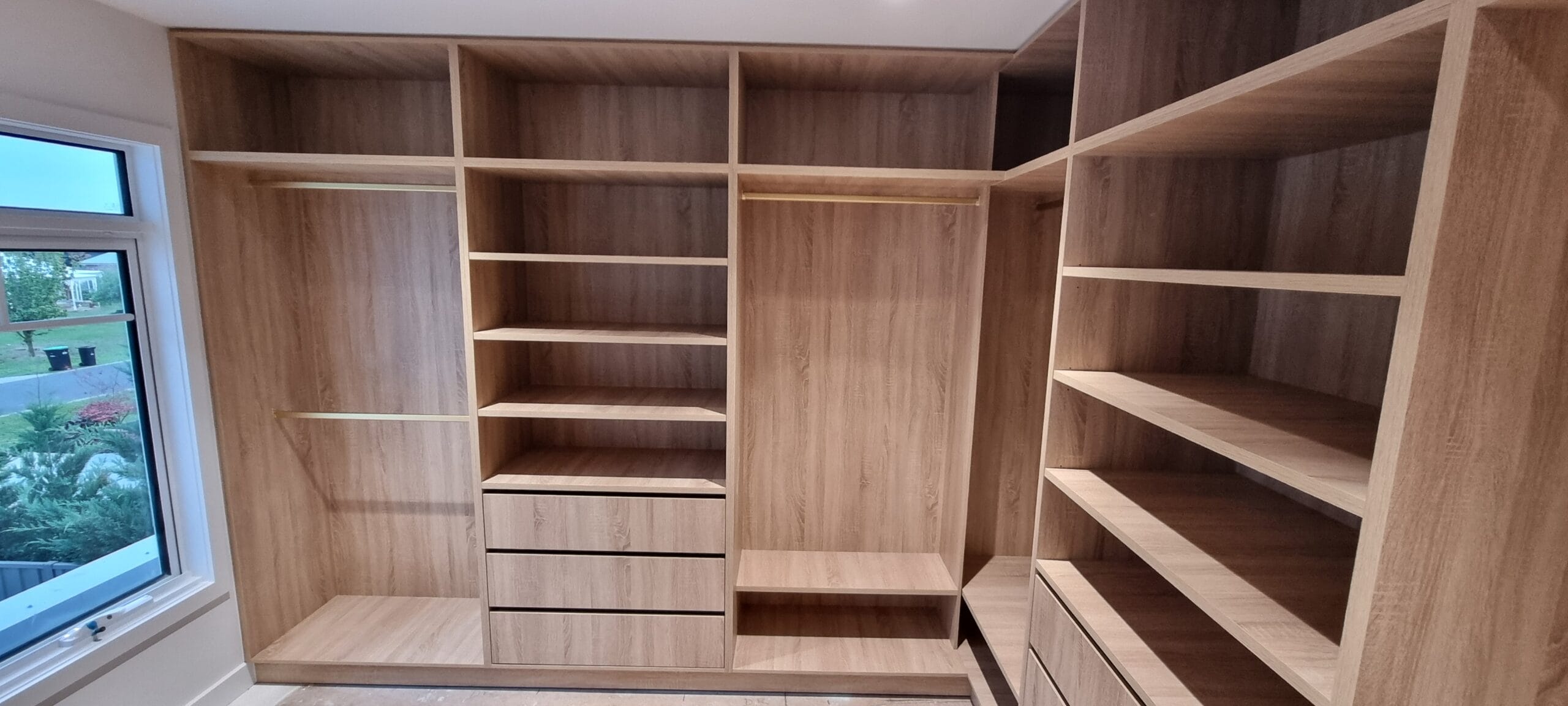
Wondering how to fit replacement kitchen doors? In short: remove the old doors, transfer or install new hinges, hang the new doors onto existing cabinet carcasses, and adjust until they sit perfectly level and flush. It sounds straightforward — and for many Melbourne homeowners, it genuinely is. But getting the details right makes all the difference between a polished result and a frustrating afternoon.
Why Melbourne Homeowners Are Replacing Kitchen Doors in 2026
Kitchen renovations don’t have to mean a full gut job. Swapping out cabinet doors is one of the most cost-effective ways to refresh your kitchen’s look without touching plumbing, electrical work, or the existing cabinet boxes. In Melbourne’s competitive property market, a refreshed kitchen can meaningfully lift your home’s appeal — whether you’re selling or simply tired of looking at worn, dated cabinetry.
Melbourne’s variable climate — hot, dry summers and cool, damp winters — also takes a toll on timber and MDF doors over time. Warping, swelling, and faded finishes are all common complaints from homeowners across the northern suburbs and beyond.
Tools and Materials You’ll Need Before You Start
Before you begin, gather everything you need so the job runs smoothly. Stopping mid-task to hunt for a screwdriver is how mistakes happen.
- Cordless drill and a selection of drill bits
- Cross-head (Phillips) and flat-head screwdrivers
- Tape measure and pencil
- Spirit level
- Hinge boring bit (35mm Forstner bit) if fitting new concealed hinges
- Soft cloth or blanket to protect door surfaces
- Replacement doors (pre-drilled or undrilled)
- Concealed cup hinges (European-style, most common in Australian kitchens)
If your new doors arrive pre-drilled, the job becomes significantly easier. Many suppliers offer this service — always confirm before ordering.
How to Fit Replacement Kitchen Doors: A Step-by-Step Guide
Step 1 — Measure Your Existing Doors Accurately
Measure the height, width, and thickness of your current doors before ordering replacements. In Australian kitchens, standard door thicknesses are typically 16mm or 18mm. Write down every measurement and double-check them — ordering the wrong size is a costly mistake that’s easily avoided.
Also note whether your doors are overlay (sitting over the cabinet frame) or inset (sitting inside the frame). This affects which hinges you’ll need and how the door is positioned when hung.
Step 2 — Remove the Old Doors
Open each door fully and unscrew the hinge plates from the cabinet carcass. Have someone help you support larger doors as you remove the final screws — they’re heavier than they look. Lay the old doors flat on a blanket to avoid scratching your floor or benchtop.
Inspect the hinge plates left on the carcass. If they’re in good condition and match your new hinges, you may be able to reuse them, saving you time.
Step 3 — Drill Hinge Cups Into the New Doors (If Required)
If your replacement doors aren’t pre-drilled, you’ll need to bore the hinge cup holes yourself using a 35mm Forstner bit. The standard position is 22.5mm from the door edge and typically 100mm from the top and bottom of the door. Use a hinge jig for accuracy — it’s a small investment that prevents expensive errors.
Always drill on a scrap piece of timber first to confirm your depth setting before touching the new door.
Step 4 — Attach the Hinges and Hang the Doors
Clip the hinge cups into the bored holes and secure them with the supplied screws. Then align the hinge arm with the mounting plate on the carcass and clip it into place. Most European-style concealed hinges simply snap on — no additional screws needed at this stage.
This is the point where working with a quality experienced cabinet maker in Craigieburn or your local area can really show — precision at this step determines how the whole kitchen looks when finished.
Step 5 — Adjust for a Perfect Fit
Modern concealed hinges have three adjustment points: up/down, left/right, and in/out (depth). Use a cross-head screwdriver to fine-tune each door until it sits flush with its neighbours and opens and closes smoothly. Step back regularly to check alignment visually — your eye will catch what a tape measure misses.
Consistent gap spacing between doors (typically 2–3mm) is the hallmark of a professional-looking result.
Common Mistakes to Avoid
Even confident DIYers run into trouble. Watch out for these frequent issues:
- Ordering doors without confirming the hinge boring position matches your existing plates
- Forgetting to account for handle drilling if handles aren’t included
- Choosing a door finish that doesn’t match existing benchtops or splashbacks under different lighting
- Skipping the spirit level check, leading to visibly crooked doors
If you’re updating cabinetry throughout the home, it’s worth considering how your kitchen refresh ties into other storage solutions. The team at Perfect Kitchen & Robes in Epping can help you create a cohesive look across your entire home.
Choosing the Right Replacement Door Material for Melbourne’s Climate
Melbourne’s weather swings mean your door material choice matters. Polyurethane (PU) and two-pack painted doors are highly durable and moisture-resistant — ideal for kitchens that see heavy use. Timber veneer doors offer a premium aesthetic but require more care in rooms with high humidity fluctuations.
Thermally fused laminate (TFL) doors are a popular mid-range option across Melbourne’s northern suburbs, offering good durability at an accessible price point. Whatever material you choose, make sure it complies with relevant Australian Standards for cabinetry finishes — AS/NZS 4386 covers domestic kitchen cabinetry and is a useful reference point for quality benchmarks.
When to Call a Professional
DIY door replacement works well when your cabinet carcasses are square, level, and in good condition. But if you notice bowing carcasses, damaged hinge plates that won’t hold screws, or doors that simply won’t align no matter how much you adjust, it’s time to bring in an expert.
Likewise, if you’re replacing more than a handful of doors, want a completely custom door profile, or are combining the project with a broader kitchen or storage upgrade, professional installation will save you time and deliver a far superior result. Perfect Kitchen & Robes offers expert cabinetry services across Melbourne — get in touch today for an obligation-free consultation and quote.
Conclusion
Knowing how to fit replacement kitchen doors gives you the power to transform your kitchen without a full renovation. Measure carefully, choose the right materials for Melbourne’s climate, take your time with hinge adjustment, and you’ll achieve a result you’re genuinely proud of.
For jobs that go beyond a straightforward swap — or when you simply want it done perfectly the first time — reach out to the team at Perfect Kitchen & Robes. We’re here to help Melbourne homeowners get the kitchen they deserve in 2026.
Frequently Asked Questions
Can I fit replacement kitchen doors myself without any trade experience?
Yes, in many cases you can. If your cabinet carcasses are in good condition and your new doors arrive pre-drilled, fitting replacement kitchen doors is a manageable DIY project for a confident home handyperson. The key is accurate measuring and patient hinge adjustment.
How do I know what size replacement doors to order?
Measure the height and width of your existing doors precisely, and note whether they are overlay or inset style. It’s best to measure each door individually rather than assuming they’re all identical — minor variations are common in older kitchens.
What type of hinges are used in most Australian kitchens?
The vast majority of Australian kitchen cabinets use European-style concealed cup hinges, also called Blum or clip-top hinges. These require a 35mm cup hole bored into the back of the door and offer excellent three-way adjustability once installed.
How long does it take to replace all the doors in a standard kitchen?
For a typical Melbourne kitchen with 15–20 doors, an experienced DIYer can expect the job to take a full day, including measuring, hanging, and adjusting. A professional cabinet maker can often complete the same job in a few hours with a cleaner result.