
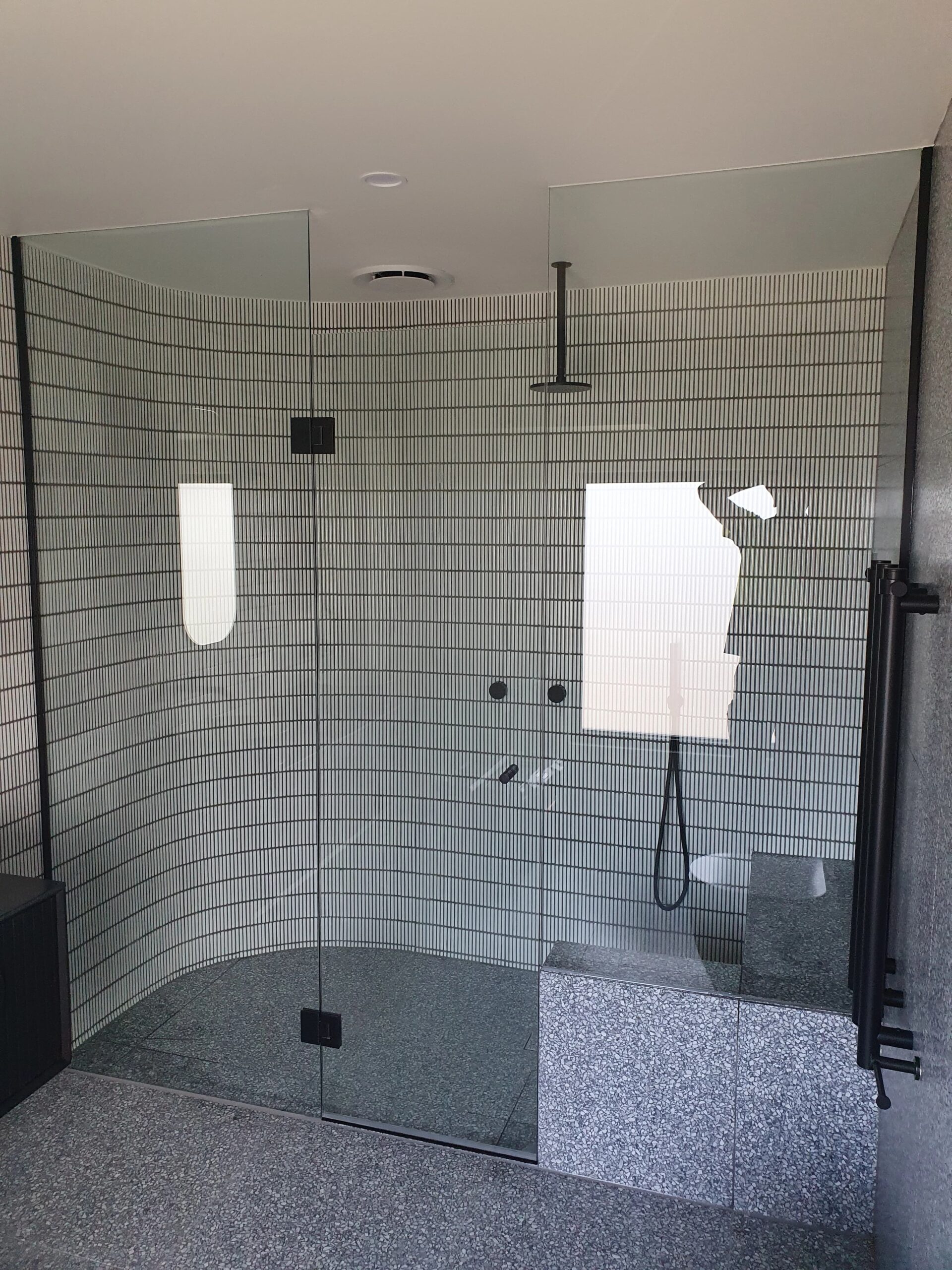
The old vanity has started swelling around the edges. The basin takes longer to empty than it used to, and there is a faint damp smell whenever you open the cabinet doors. You were planning to update the bathroom anyway, but now you are wondering whether a simple makeover will be enough.
This is a common situation for Melbourne homeowners. A bathroom can look tired because of its finishes, yet the bigger problem may be hidden behind the walls or underneath the fixtures. Replacing the vanity and choosing new tapware might improve the appearance, but neither will solve a leaking connection or a drainage issue.
That is why Bathroom Plumbing Melbourne projects need a little thought before anyone starts pulling out tiles or ordering cabinetry. You do not necessarily need to replace every pipe or change the entire layout. You do need to understand what is working, what needs attention and how the new design will fit around the existing plumbing.
A few checks at the beginning can save considerable frustration later, especially when several trades are involved.
Start by Looking at What Is Already There
Before choosing a new basin or shower screen, spend some time looking at the bathroom you currently have. Think about the things that annoy you every day. Perhaps the vanity has too little storage, the shower drains slowly, or the tap is awkward to use when washing your hands.
These details help separate genuine plumbing problems from design preferences.
Check beneath the basin for damp patches, loose connections or discoloration. Run the taps and watch how quickly the water drains. Look around the shower for cracked sealant, loose fittings and signs of moisture escaping beyond the wet area.
Pay attention to problems that keep returning. A drain that blocks every few weeks may need more than another round of cleaning. A musty smell that remains after the room has dried could indicate trapped moisture, although the smell alone cannot confirm its source.
For anyone considering Bathroom Plumbing Melbourne upgrades, the aim is to identify these concerns before they become buried behind new cabinets or freshly finished walls.
Make a short list of what you find and show it to the plumber during the initial inspection. A clear description of when the problem occurs can be more useful than simply saying that the bathroom needs work.
Which Bathroom Plumbing Problems Should Not Be Ignored?
Some faults develop slowly enough to go unnoticed for months. Others become obvious overnight. Either way, a small amount of water escaping in the wrong place can damage cabinet panels, flooring and adjoining walls.
A dripping tap is easy to spot, but leaks underneath the basin can be less obvious. Water may collect at the back of the cabinet or run along a pipe before appearing somewhere else. By the time the damage becomes visible, the affected material may already be swollen or discoloured.
Keep an eye out for these warning signs:
- Persistent dampness: Water beneath the vanity or around pipe connections needs investigation, even when the leak appears minor.
- Slow or noisy drains: Gurgling, repeated blockages and water backing up can point to a drainage problem.
- Changes in water pressure: A sudden change affecting one fixture or several taps deserves attention.
- Unusual smells: A continuing sewage-like or musty smell should not simply be covered with air freshener.
- Damage to surrounding surfaces: Peeling paint, loose sealant, stained plaster and swollen cabinetry may indicate ongoing moisture.
If a pipe is actively leaking, turn off the relevant water supply if you can do so safely and arrange professional assistance. Keep clear of electrical fittings that have been exposed to water.
One important point: not every damp patch means the plumbing has failed. Condensation, poor ventilation and damaged waterproofing can produce similar symptoms. Finding the actual cause matters more than guessing which component needs replacing.
Does Your New Vanity Fit the Existing Plumbing?
This is one of the details worth checking before you buy anything.
A vanity might look ideal in a showroom, but the arrangement of its drawers, basin and cabinet panels may not suit the pipework already in your bathroom. A waste outlet running through the middle of a drawer space, for example, can leave you with less storage than expected.
Measure the available width and depth first. Then consider the basin position, tap placement, door clearance and the space needed to stand comfortably in front of the unit. In a small ensuite, even a modest increase in cabinet depth can make the room feel cramped.
The location of the water supply and waste connection also matters. Keeping the basin near its existing position may reduce the amount of plumbing alteration required. Moving it elsewhere can be possible, but the cost and complexity depend on the building and the new layout.
Wall-hung vanities offer a clean, open appearance and make it easier to clean underneath. Freestanding units can provide more enclosed storage and may be simpler to accommodate in some bathrooms. The better choice depends on the available space, wall construction and practical needs of the household.
Before finalizing the cabinet, look at the bathroom vanity options available and consider how the unit will work with the plumbing, not just how it will look in photographs.
A custom vanity can be useful when standard sizes leave awkward gaps or waste valuable space. However, the cabinet design should be settled in consultation with the people responsible for plumbing and installation. That way, access to connections is considered before the cabinet is manufactured.
What Should You Check Before Choosing Taps, Basins and Showers?
It is tempting to select every fixture based on its appearance and deal with compatibility later. Unfortunately, that approach can lead to unnecessary changes once the products arrive.
Start with the basin. Confirm whether it is designed for a particular tap arrangement and whether the selected tap will reach comfortably over the bowl. The waste fitting must also suit the basin, and the cabinet needs enough room for the plumbing below.
Shower fittings deserve the same attention. Check the manufacturer’s installation requirements and confirm that the proposed setup is compatible with the existing supply. If you want to change the shower’s position or introduce a different fitting, ask the plumber to assess what is involved before work begins.
The toilet should not be overlooked during a wider renovation. Its connection, available clearance and position can affect how much freedom you have to change the layout.
Use the following table when comparing products and planning the work.
| Bathroom component | What needs checking | Potential issue if overlooked |
| Vanity and basin | Cabinet dimensions, basin position, waste outlet and tap compatibility | Drawers may clash with pipes or fittings |
| Tapware | Mounting type, connection requirements and basin reach | The tap may not suit the basin or existing setup |
| Shower fittings | Supply connections, placement and manufacturer instructions | Additional plumbing changes may be required |
| Toilet | Existing waste connection, clearance and proposed position | Relocation may add labour and complexity |
| Floor waste | Drain position, floor falls and waterproofing details | Water may not drain as intended |
| Bathroom storage | Pipe access, material suitability and moisture exposure | Repairs may become difficult and panels may deteriorate |
These checks are particularly useful when comparing several products with different dimensions. They also help your renovation team identify possible conflicts before installation day.
Why Do Bathroom Cabinets Get Damaged by Moisture?
A bathroom vanity is exposed to more than the occasional splash. Warm showers create humidity, water can sit around the basin, and a small leak may remain unnoticed inside a closed cabinet for weeks.
The material and finish make a difference, but no cabinet should be expected to tolerate an unresolved leak indefinitely.
Look closely at the edges of existing panels. Swelling near the base, peeling finishes and soft sections around the basin can indicate repeated moisture exposure. Sometimes the damage is limited to one area; in other cases, the cabinet has deteriorated because the room stays humid for long periods.
Ventilation is often part of the answer. An appropriately sized exhaust fan, used during showers and long enough afterwards, helps remove moisture from the air. It will not repair a plumbing leak, but it can reduce the condensation that affects cabinetry, mirrors and painted surfaces.
Sealant around basins and other fixtures should also be kept in reasonable condition. If it has separated or cracked, water may reach areas that are not intended to remain wet. Reapplying sealant can help where the seal itself is the problem, but it will not correct failed waterproofing or a leaking pipe.
When planning Bathroom Plumbing Melbourne renovations, consider the vanity material, edge finishing and access to plumbing together. A cabinet that looks good on installation day should also be practical to clean and maintain.
If your existing vanity is damaged, investigate why before ordering its replacement. Otherwise, the new unit may develop the same problem.
Should You Replace Old Pipes During a Bathroom Renovation?
Not automatically. The condition of the plumbing and the changes planned for the room should guide the decision.
If the existing pipework is in good condition and the new fixtures can use the current connections, retaining suitable sections may help control costs. A bathroom does not need a complete plumbing overhaul simply because its tiles or vanity are being replaced.
On the other hand, recurring leaks, corroded pipework, poor flow or evidence of previous repairs may justify a closer inspection. Plumbing that has been altered several times over the years may also need attention if the connections are poorly positioned for the new design.
A plumber can assess the relevant components and explain which repairs are necessary, which upgrades would be beneficial and which existing parts can reasonably remain. Ask for the reasons behind any recommended replacement so you can make an informed decision.
It is particularly important to settle this question before the walls and floors are closed up. Correcting a concealed problem after new finishes have been installed can involve extra labour and disruption.
For larger Bathroom Plumbing Melbourne projects, ask the trades involved to agree on the work sequence before the start date. Demolition, plumbing alterations, waterproofing, tiling and cabinet installation need to be coordinated rather than treated as unrelated jobs.
What Are the Plumbing Requirements for Melbourne Homeowners?
Victoria has licensing and registration requirements for plumbing practitioners. The requirements that apply depend on the type of work being performed, so it is worth checking who is authorized to carry out the particular job.
The Victorian Building and Plumbing Commission provides guidance for homeowners engaging a plumber, including information about registration, licensing and compliance.
Before work begins, ask the practitioner about their qualifications for the proposed work and whether a compliance certificate or other documentation is required. Not every minor repair has the same requirements, so do not assume the rules are identical for all jobs.
If the renovation involves moving water connections, changing drainage or altering other plumbing components, discuss the scope in advance. Confirm who will complete the work, what is included in the quote and what documentation you should receive when the job is finished.
It is also worth agreeing on responsibilities between the plumber, cabinet installer, tiler and waterproofer. For example, the vanity dimensions and pipe positions need to be compatible, while plumbing penetrations must be dealt with appropriately as part of the waterproofing work.
These conversations may feel like extra administration at the beginning, but they can prevent confusion once the renovation is underway.
How Can You Keep the Renovation Within Budget?
A bathroom budget can change quickly when decisions are made one at a time. A different tap, a larger vanity or a relocated shower might seem like a small adjustment, but each change can affect other parts of the project.
Start by separating essential repairs from optional upgrades. Fixing a leak or addressing a drainage defect should take priority over decorative changes. Once the essential work is understood, you can decide where new fixtures, storage or finishes will make the biggest difference.
Ask for written quotes that explain the work included, the materials supplied and any exclusions. If the price depends on what is discovered during demolition, ask how additional work will be approved and charged.
It is sensible to keep some money aside for unexpected problems. Hidden moisture damage or unsuitable pipe connections may not be visible until old fixtures are removed. A contingency gives you more room to deal with these discoveries without immediately compromising the rest of the design.
Try to finalize fixture choices and cabinet dimensions before installation begins. Last-minute product substitutions can create compatibility problems, particularly when plumbing connections have already been positioned.
Retaining the existing layout may reduce costs where it works for your household and the plumbing is in sound condition. However, keeping a poor layout simply to avoid changes may not be worthwhile if the bathroom will remain inconvenient for years.
The goal is not to spend as little as possible on every component. It is to direct the budget towards work that improves reliability, comfort and day-to-day use.
Conclusion: Get the Practical Details Right Before the Renovation Begins
A bathroom renovation is much easier to manage when the plumbing, fixtures and cabinetry are considered together from the start. Check for leaks and drainage problems, measure the available space carefully and make sure the new vanity suits the pipe connections rather than forcing the design to work around a last-minute discovery.
For Melbourne homeowners, getting advice before demolition can also help clarify which existing components can remain, which need repairs and what work must be completed by an appropriately authorized plumbing practitioner.
If you are planning new bathroom storage or a vanity that better suits your available space, Perfect Kitchen Robes can help you explore cabinetry options for your project. Visit the contact page to discuss your requirements and request a quote before settling on your final design.
Frequently Asked Questions
1. What are the signs that bathroom plumbing needs attention?
Watch for recurring leaks, slow drains, changes in water pressure, unusual smells, damp cabinet panels and water stains. If the same problem keeps returning, arrange an inspection rather than relying on repeated temporary fixes.
2. Can I install a new bathroom vanity without moving the pipes?
Often, yes. A replacement unit may fit the existing connections if its basin position, dimensions and internal layout are suitable. Measure the space and check the pipe locations before purchasing the cabinet.
3. Should I replace all the plumbing in an older Melbourne bathroom?
Not necessarily. The decision depends on the condition of the existing system, the materials involved and the changes planned for the renovation. A plumber can inspect the relevant pipework and explain whether repairs or replacement are appropriate.
4. Do I need a licensed plumber for bathroom renovation work in Victoria?
You should engage a practitioner who is authorized for the relevant type of plumbing work. Licensing, registration and compliance requirements vary according to the work involved, so check the current Victorian Building and Plumbing Commission guidance.
5. How can I prevent moisture from damaging my bathroom vanity?
Repair leaks promptly, maintain sound seals around fixtures, use suitable ventilation and wipe away standing water. Choose materials designed for bathroom conditions and investigate recurring dampness before replacing damaged cabinetry.