
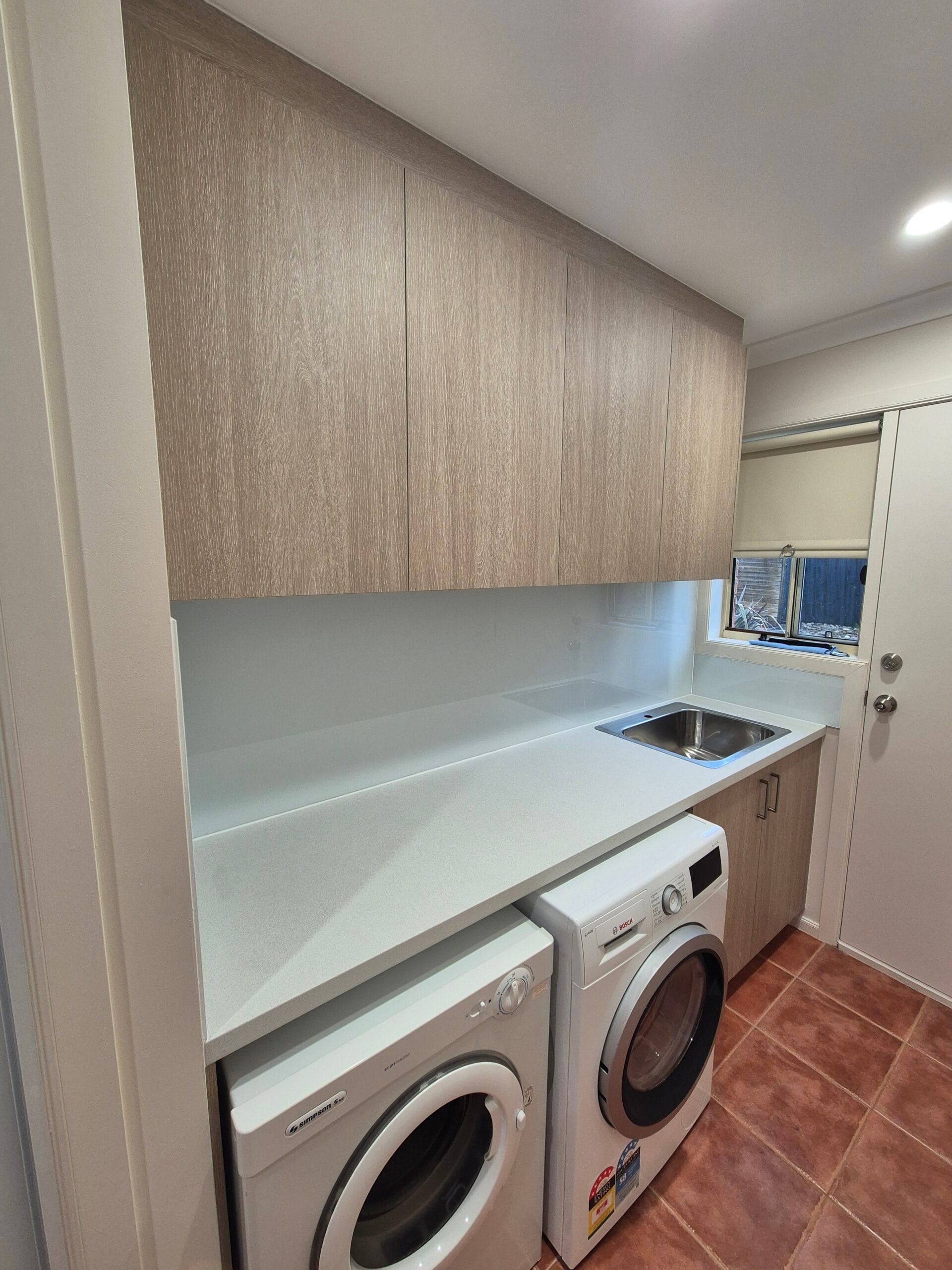
There is something reassuring about dealing with a professional who understands the area, can visit your home and takes the time to see the space before recommending a solution. That matters when you are investing in cabinetry because measurements, access, installation conditions and communication can all affect the final result.
Choosing a Local Cabinet Maker is not simply about finding someone located nearby. It is about finding a cabinetry professional who can understand your home, discuss your requirements properly and manage the project from design through to installation.
For Melbourne homeowners, this can be especially useful when working with older properties, compact kitchens, unusual room dimensions or renovation projects where several elements need to work together.
Why Does Local Experience Matter?
Every home presents its own challenges.
A house may have narrow access, uneven walls, unusual ceiling heights or an existing layout that was built many years ago. A standard cabinetry system may not account for these conditions.
A local professional who regularly works on residential projects can approach the project with a practical understanding of these issues.
Local service can also make communication easier. A site visit can provide information that photographs and measurements alone may not reveal.
Instead of discussing an abstract room, the cabinet maker can see the actual space and consider how the cabinetry will interact with existing walls, flooring, appliances and other features.
What Should a Local Cabinet Maker Offer?
There is no single checklist that guarantees a good result, but there are several areas worth examining before you commit to a project.
Experience
Ask how long the business has been working with cabinetry and what types of projects it normally handles.
Kitchen cabinetry requires different considerations from wardrobe or bathroom cabinetry, so relevant project experience matters.
Design Support
A professional should be able to discuss your requirements and help you understand the practical implications of different layouts.
You do not need to arrive with every decision already made.
In many cases, the consultation is where useful ideas emerge.
Accurate Measuring
Precise measurements are fundamental to fitted cabinetry.
Ask whether the business conducts an on-site measure before finalising the design and manufacturing specifications.
Material Advice
A cabinet maker should be able to explain the available materials and finishes in straightforward language.
You should understand why a particular option is being recommended rather than simply being presented with a list of products.
Installation
Manufacturing and installation are closely connected.
Ask who will install the cabinetry, how the installation is scheduled and what happens if site conditions differ from the original assumptions.
Local Does Not Mean Settling for a Generic Design
One common misconception is that working with a local business means choosing from a small range of standard products.
That is not necessarily the case.
Custom cabinetry can be designed around the exact room. A kitchen can be planned around appliance locations, preferred storage zones and the way the household uses the space.
For example, a narrow kitchen may benefit from deeper drawers in some areas and slimmer storage in others. A family kitchen may need more pantry capacity, while an apartment owner may prioritise compact storage and a clean visual appearance.
The design should respond to the home.
Questions to Ask During Your First Consultation
The first consultation is an opportunity to determine whether the cabinetry professional understands your project.
Consider asking:
- How will you measure the space?
- Can the layout be customised?
- What materials are available?
- Which hardware options do you recommend?
- How is the cabinetry manufactured?
- Who completes the installation?
- What is included in the quote?
- How are changes handled?
- What happens if an unexpected site issue appears?
- What is the expected project timeline?
The quality of the answers can tell you a lot.
A good professional should be comfortable explaining the process rather than rushing you towards a decision.
Cabinetry Should Solve Problems, Not Create Them
Think about the reason you are renovating.
Perhaps your current kitchen lacks storage. Maybe your cupboards are damaged or difficult to access. Perhaps the layout wastes valuable floor space.
Those problems should become part of the design brief.
For example, if clutter is the main issue, simply adding more cupboards may not solve it. The internal layout matters just as much as the number of cabinets.
Deep drawers may be easier to use than multiple small cupboards. A tall pantry may make better use of vertical space. A corner cabinet may require a carefully considered internal mechanism to avoid creating a difficult-to-access storage area.
These are practical decisions that can have a noticeable effect on everyday life.
Custom Cabinetry Planning Table
| Project Consideration | What to Discuss | Why It Matters |
| Room measurements | Walls, ceiling, windows and doors | Helps achieve an accurate fit |
| Storage | Drawers, shelves, pantry and cupboards | Determines everyday usability |
| Appliances | Sizes, positions and clearances | Prevents layout conflicts |
| Materials | Board type, finish and durability | Affects appearance and longevity |
| Hardware | Hinges, runners and handles | Influences operation and durability |
| Installation | Access, timing and site preparation | Supports a smooth installation |
| Budget | Full scope and inclusions | Reduces unexpected costs |
| Variations | How design changes are approved | Helps control project costs |
The more clearly these details are discussed before manufacturing, the fewer surprises are likely to appear later.
How to Compare Local Cabinetry Quotes
A cheaper quote is not automatically better value.
Suppose one quotation includes premium hardware, detailed design work and professional installation while another only covers basic cabinetry. The prices cannot be compared fairly without looking at the specifications.
When comparing quotations, check:
Materials: Are the same or equivalent materials being quoted?
Hardware: Are drawer runners and hinges specified?
Finishes: Does the price include the finish you actually want?
Installation: Is installation included?
Design: Is design and measuring part of the service?
Additional work: Are removal, adjustments or site preparation included where required?
Consumer Affairs Victoria recommends knowing exactly what you want and comparing quotes based on the same plans and specifications.
For building and renovation work, it also recommends written agreements and clear documentation. Its guidance states that contracts should clearly describe the work, specifications and relevant costs.
A Useful Bulletin Before You Sign
Cabinetry project bulletin
Before approving your cabinetry project, make sure you have:
- Confirmed the final layout.
- Checked appliance dimensions.
- Agreed on cabinet materials and finishes.
- Confirmed handles and hardware.
- Understood what installation includes.
- Reviewed the quotation carefully.
- Discussed potential variations.
- Confirmed the expected timeframe.
- Kept the final plans and specifications.
- Put important changes in writing.
This may sound straightforward, but many renovation frustrations begin when important decisions remain unclear.
Why Communication Matters During a Renovation
A cabinetry project involves many decisions.
Colours can change. Appliance selections can change. A homeowner may discover that a particular storage arrangement does not work as expected.
That is why communication should continue throughout the project.
A professional Local Cabinet Maker should be willing to explain what a change means before proceeding. If a modification affects dimensions, materials, installation or cost, it should be discussed clearly.
Consumer Affairs Victoria recommends documenting variations to building contracts and ensuring changes and costs are properly recorded.
Clear communication protects both sides.
Think Beyond the Kitchen
Although kitchens are often the main focus of cabinetry projects, the same principles apply throughout the home.
Custom cabinetry can be useful for:
Bedrooms
Built-in wardrobes can make better use of wall height and available floor space while providing dedicated areas for hanging clothes, shelving and drawers.
Bathrooms
Vanities can be designed around the room’s dimensions, basin configuration and storage requirements.
Laundries
Tall cabinets, overhead storage and practical benchtops can help organise cleaning supplies and laundry equipment.
Living Areas
Built-in storage can combine display areas with concealed cupboards to reduce visual clutter.
A consistent cabinetry style can also help different rooms feel connected.
How Local Cabinetry Can Suit Melbourne Homes
Melbourne contains a wide range of housing styles, from older homes with unusual dimensions to contemporary apartments with compact floor plans.
That variety makes flexibility important.
A cabinetry solution that works perfectly in a newly built home may not suit an older property. Walls may be slightly uneven, existing features may restrict cabinet placement, and access can be more complicated.
A custom approach gives the design more room to respond to those conditions.
The goal is not simply to fill a wall with cupboards. It is to make the cabinetry look intentional and function naturally within the room.
What Does a Good Finished Result Look Like?
A successful cabinetry project should feel almost effortless once it is finished.
Doors should open comfortably. Drawers should be easy to access. Storage should be where you expect it to be. The finishes should work with the rest of the room.
Most importantly, the cabinetry should solve the problem that led you to renovate in the first place.
If your old kitchen was cluttered, the new one should give you better organisation. If storage was limited, the new design should make better use of the available space.
Good cabinetry is ultimately practical design.
Conclusion
Choosing a Local Cabinet Maker is about more than proximity. The right professional should understand your space, listen to how you use your home and provide practical advice before the manufacturing stage begins.
Take the time to compare detailed quotations, discuss materials and hardware, review the layout carefully and make sure important decisions are documented. These steps can make the renovation process clearer and help prevent avoidable surprises.
If you are planning a kitchen or cabinetry upgrade in Melbourne, Perfect Kitchen & Robes offers custom cabinetry solutions with a consultation-to-installation approach. You can explore the kitchen service, visit the home page for the wider range of cabinetry options or contact the team to discuss your requirements and request a quote.
FAQs
- What should I look for in a Local Cabinet Maker?
Look for relevant experience, accurate measuring, custom design capabilities, quality materials, clear quotations and professional installation. Communication and transparency are also important throughout the project.
- Why should I choose a local cabinetry business?
A local business may be easier to communicate with and can arrange site visits more conveniently. Local experience can also be useful when dealing with different Melbourne property types and renovation conditions.
- How many quotes should I get for a cabinetry project?
It can be useful to compare several detailed quotes, provided they are based on comparable specifications. Consumer Affairs Victoria recommends comparing quotes for the same plans and specifications when obtaining renovation quotes.
- Can a local cabinet maker create a completely custom kitchen?
Yes. Custom kitchen cabinetry can be designed around your room dimensions, storage requirements, appliances, preferred layout and interior style.
- Should cabinetry variations be put in writing?
Yes. Written confirmation of agreed changes helps everyone understand what is changing and whether the change affects the project cost or timeframe. Consumer Affairs Victoria recommends documenting relevant variations in writing