
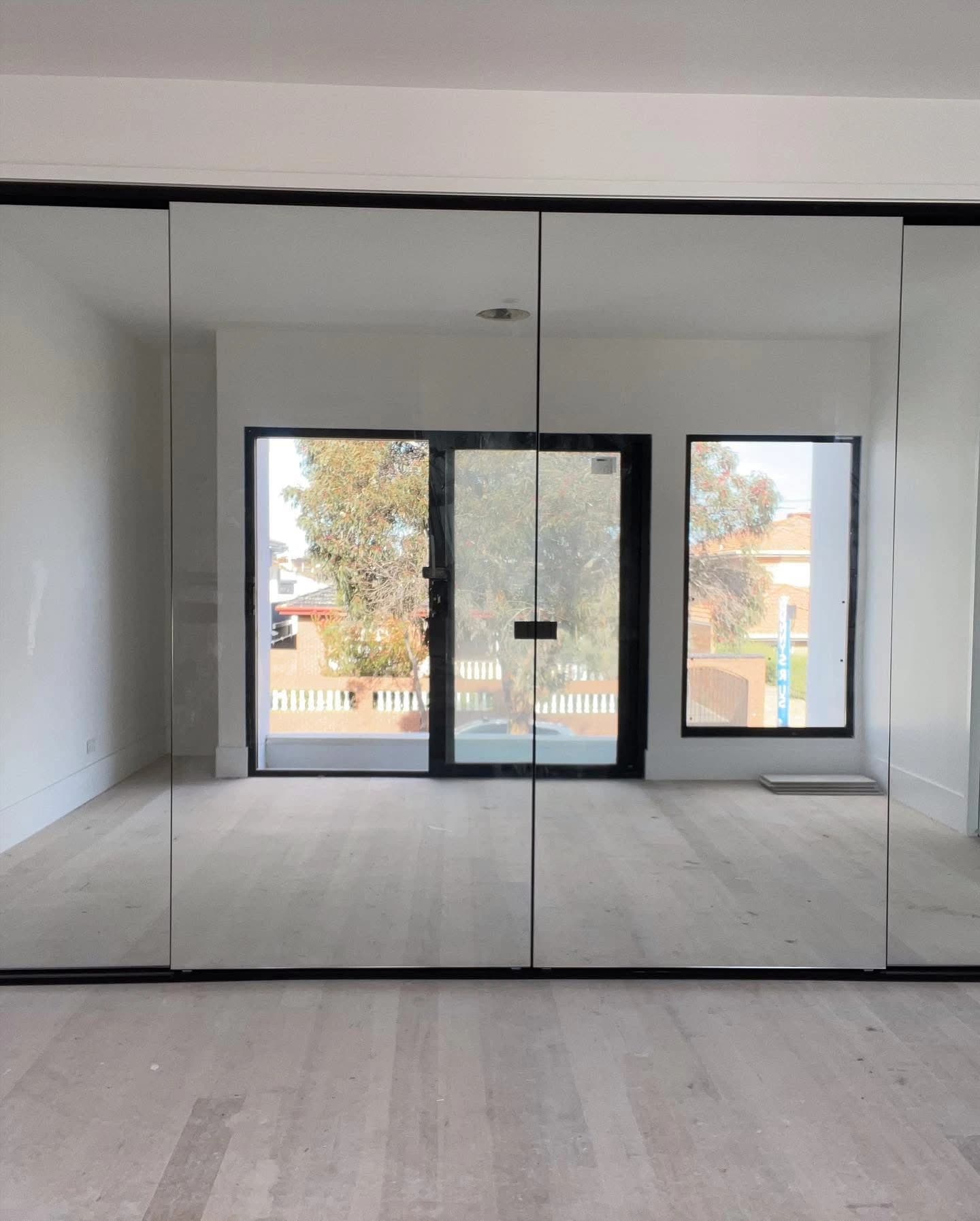
A bathroom renovation can involve plenty of decisions, but some choices have a bigger impact on the finished room than others. The shower screen is one of them. It affects how open the bathroom feels, how easily people can move around the shower and how much cleaning is involved later.
There is also more to consider than simply choosing between clear and frosted glass. The size of the bathroom, position of the shower, door movement, hardware, glass style and overall design all need to work together. A screen that looks excellent in a large ensuite may not be the most practical choice for a compact family bathroom.
If you are comparing shower screens for a renovation or new bathroom, starting with the layout rather than the appearance alone can help you make a much better decision.
Why Does the Right Shower Screen Matter?
A shower screen is both a functional feature and part of the bathroom’s visual design. Its main job is to help contain water within the shower area, but its appearance can influence how the entire room looks. A bulky enclosure can make a smaller bathroom feel crowded. On the other hand, a carefully planned glass screen can keep sightlines open and allow more light to move through the room.
The choice can also affect everyday cleaning. Some designs have more tracks, frames and corners where soap residue and moisture can collect. Simpler arrangements may be easier to wipe down and maintain. That does not mean one style suits every bathroom. The best choice depends on the space, how the room is used and the finish you want to achieve.
Start With the Bathroom Layout
Before looking at styles, measure and assess the available space. Look at the position of the shower in relation to the vanity, toilet, walls and bathroom entrance. Think about where the shower door would open and whether it could interfere with other fixtures.
This is particularly important in smaller bathrooms. A hinged door may require more clearance than the room can comfortably provide. A sliding arrangement or fixed panel could be more suitable depending on the design. The location of plumbing, existing tiles and wall conditions may also affect the installation. A good design starts by understanding what the room can realistically accommodate. Once that is clear, choosing between different shower screens becomes much easier.
Frameless Shower Screens for a Clean Modern Look
Frameless designs are popular in contemporary bathrooms because they use minimal visible framing. Instead, the glass becomes the main feature. This can create a clean appearance without adding another strong visual element to the room. It can also help preserve sightlines across a smaller bathroom. Frameless shower screens can work particularly well when the bathroom has attractive wall tiles or a feature floor because the glass does not compete heavily with those finishes.
They are not limited to large luxury bathrooms either. A well-planned frameless arrangement can make a compact shower area feel less enclosed. The service information for the Melbourne installation team specifically highlights frameless designs for their open appearance, natural-light flow and ability to showcase tiles and bathroom finishes.
When Is a Semi-Frameless Screen a Better Option?
Semi-frameless designs provide a balance between a heavily framed enclosure and a completely frameless arrangement. They use selected framing around the glass while maintaining a relatively clean and contemporary appearance. This can make them suitable for family bathrooms, compact spaces and renovation projects.
Some homeowners also prefer the more structured appearance of a semi-frameless screen. There is no rule that says a modern bathroom must have a frameless design. The important thing is choosing an arrangement that suits the room and provides the level of support and practicality required. When comparing shower screens, consider the whole bathroom rather than choosing a particular style simply because it is currently popular. For further guidance on bathroom waterproofing requirements, homeowners can refer to the Victorian Government’s waterproofing of wet areas guidance
Clear or Frosted Glass: Which Is Better?
Clear glass is one of the easiest choices to pair with different bathroom styles. It allows light to pass through and keeps the shower area visually connected to the rest of the room. It can also be useful when you have invested in feature tiles and want them to remain visible.
Frosted or privacy glass creates a softer appearance and provides more visual separation. It may be worth considering when privacy is a higher priority. Neither option is automatically the better choice. Think about who uses the bathroom, how much privacy is required and the overall look you are trying to achieve. The important thing is also to select glass that is appropriate for shower use rather than making the decision based solely on colour or appearance.
Why Toughened Safety Glass Matters
Glass in a bathroom needs to be selected with safety in mind. The shower-screen service page specifies toughened safety glass as part of its solutions and notes that the glass and hardware are selected for durability and everyday use.
When getting a quote, ask what type of glass is proposed and whether the product meets the relevant Australian requirements. This is one area where choosing based purely on the cheapest price can be a poor approach. The quality of the glass, fittings and installation all contribute to the finished result.
Hinged or Sliding Doors?
The shower door needs to work with the space around it. A hinged door can provide a straightforward opening and may suit bathrooms where there is plenty of clearance outside the shower. However, the door swing needs to be considered carefully.
Sliding doors can be useful where floor space is limited because the door does not need the same swing area. There are also bathrooms where a fixed panel or walk-in arrangement may be appropriate. The choice should be made after looking at the actual dimensions rather than selecting a door style first.
What Hardware Finish Should You Choose?
Hardware is a small detail, but it can influence the finished appearance. Chrome fittings can complement traditional and contemporary bathrooms, while black hardware can provide stronger contrast in a modern space. Other finishes may work better depending on the tapware and bathroom accessories already installed.
Try to keep the finishes reasonably consistent. If the bathroom already has black tapware and handles, adding a completely different hardware finish may make the screen look disconnected. The current service range includes different hardware finishes as well as modern black and chrome fittings, allowing the screen to be coordinated with the wider bathroom design.
How Custom Shower Screens Help With Unusual Bathrooms
Standard products can be convenient when the shower area has straightforward dimensions. However, bathrooms are not always straightforward. You may have an unusual wall angle, a compact unsuited, a walk-in shower or existing fixtures that limit the available space.
Custom shower screens can be designed around those conditions rather than forcing the bathroom to fit a standard product. This is especially useful during renovations, where existing walls, flooring and plumbing may already determine much of the layout. A custom approach can also give you more control over the glass, door configuration, hardware and overall appearance.
Shower Screen Options at a Glance
| Shower screen style | Best suited to | Main advantage | Important consideration |
|---|---|---|---|
| Frameless | Modern bathrooms and ensuites | Minimal, open appearance | Requires accurate planning and quality hardware |
| Semi-frameless | Family bathrooms and renovations | Balance of glass and framing | More visible structure than frameless |
| Fixed panel | Walk-in showers | Simple, contemporary appearance | Shower layout must manage water effectively |
| Hinged door | Rooms with enough clearance | Easy and familiar operation | Requires door swing space |
| Sliding door | Compact bathrooms | Saves floor space | Tracks need regular cleaning |
| Clear glass | Open bathroom designs | Keeps the room visually connected | Water marks can be more noticeable |
| Frosted glass | Privacy-focused bathrooms | Greater visual privacy | Reduces visual openness |
Think About Cleaning Before Installation
Nobody wants a bathroom feature that looks great on day one but becomes difficult to maintain. Glass generally needs regular attention because water spots, soap residue and mineral deposits can become visible over time. The design itself can also affect how easy cleaning is.
Consider how accessible the corners, seals, tracks and hardware will be. A complicated arrangement may require more effort than a simple fixed-panel design. The current shower-screen service information also highlights easier maintenance as one of the practical benefits of glass designs, particularly where there are fewer areas for mould and grime to collect. Simple habits make a difference. Wiping excess water from the glass and cleaning it regularly can help prevent build-up from becoming difficult to remove.
Should You Choose a Walk-In Shower Screen?
Walk-in showers have become increasingly popular in modern bathroom renovations. They can create a more open appearance and reduce the need for a conventional enclosed shower door. A fixed glass panel may be enough to separate the wet area from the rest of the bathroom, depending on the layout.
However, not every bathroom is suitable for a walk-in arrangement. The position of the showerhead, floor fall, available space and water containment all need to be considered. If the shower area is too open, water may reach the vanity, toilet or bathroom entrance. A walk-in design should therefore be planned around function rather than appearance alone.
Consider Accessibility
Accessibility is another factor worth discussing during the design stage. Think about how easily someone can enter and leave the shower, whether the doorway is wide enough and whether the door movement creates an obstruction.
This becomes particularly important when designing a bathroom intended to remain practical for many years. A stylish screen that is difficult to access is not a successful design. The best result combines appearance with comfortable everyday use.
What Are the Current Bathroom Trends?
Bathroom design is moving towards cleaner lines and less visual clutter. Frameless glass, minimalist hardware, walk-in layouts, darker fittings and open-feeling shower areas remain popular choices. The service page also identifies curved layouts, seamless panels and spa-inspired finishes among current design directions.
Trends can provide useful inspiration, but they should not dictate the entire decision. A bathroom needs to work for the people living in the home. A timeless layout with practical materials may remain useful long after a particular design trend has disappeared.
When Should an Old Screen Be Replaced?
Replacement may be worth considering if the existing screen has damaged glass, deteriorated hardware, difficult-to-operate doors or a layout that no longer works for the household. It may also make sense during a wider bathroom renovation.
Replacing an old enclosure with a cleaner glass arrangement can change the feel of the room without requiring every bathroom feature to be redesigned. If there is visible damage to the glass or hardware, do not continue using the screen without having the issue assessed.
Why Professional Installation Matters
Even a high-quality screen can cause problems if it is poorly installed. Accurate measurement, appropriate fixing, correct alignment and careful sealing all contribute to how the finished screen performs. Professional installation also reduces the risk of ordering a product that does not suit the actual dimensions of the shower area.
The service process described by the supplier runs from consultation and custom design through glass and hardware selection, manufacturing and installation. That end-to-end approach can be particularly useful when the bathroom has unusual dimensions or multiple design requirements.
Questions to Ask Before Ordering
Before committing to a design, ask how the screen will fit into the bathroom, what glass is being used and which hardware is included.
It is also worth asking about the expected installation process, maintenance requirements and whether the design is suitable for the available space.
A detailed discussion at the beginning can prevent surprises later.
Conclusion
Choosing shower screens is really about finding the right balance between appearance, space, safety and everyday practicality. Start with the bathroom layout, then consider the glass, door style, hardware and maintenance requirements. A good design should fit naturally into the room rather than simply look impressive on its own.
For homeowners planning a bathroom renovation in Melbourne, Perfect Kitchen & Robes provides custom shower-screen solutions designed around individual bathroom layouts, with options including frameless and semi-frameless designs. You can explore the shower screen service or contact the team to discuss your requirements.
Frequently Asked Questions
Are frameless shower screens suitable for small bathrooms?
Yes. Frameless glass can help maintain open sightlines and allow more light through a compact bathroom. However, the exact design still needs to suit the available dimensions.
What is the difference between frameless and semi-frameless shower screens?
Frameless designs use minimal visible framing and place more visual emphasis on the glass. Semi-frameless designs use some framing while maintaining a modern appearance.
Is clear glass better than frosted glass?
It depends on your priorities. Clear glass creates a more open look and allows bathroom finishes to remain visible, while frosted glass provides greater privacy.
Are custom shower screens worth it?
They can be particularly useful when the bathroom has unusual dimensions, a walk-in layout, limited space or specific accessibility requirements.
How do you maintain a glass shower screen?
Regularly remove excess water and clean the glass to prevent soap residue and mineral deposits from building up. Tracks, seals, hinges and corners should also be cleaned where applicable.